National Bhakka Day: Celebrating Nepal’s Traditional Taste
Nepal is a country rich in cultural diversity, and its traditional foods tell stories of community, heritage, and everyday life. Among the beloved foods of eastern Nepal is bhakka, a soft, fluffy rice cake traditionally enjoyed during the cold winter months.
National Bhakka Day is observed on Poush 29 of the Nepali calendar to promote this traditional food, especially its connection with the Koch Rajbanshi community and other Indigenous communities of the eastern Terai. The day brings attention to a local delicacy that has gradually become popular among people from different backgrounds.
When Is National Bhakka Day in Nepal?
National Bhakka Day is celebrated every year on Poush 29. In 2026, it fell on Tuesday, January 13, according to the Nepali calendar.
The observance promotes traditional food and helps preserve the cultural identity associated with bhakka. For the date in another year, check a reliable Nepali calendar because the corresponding Gregorian date may vary.
What Is Bhakka?
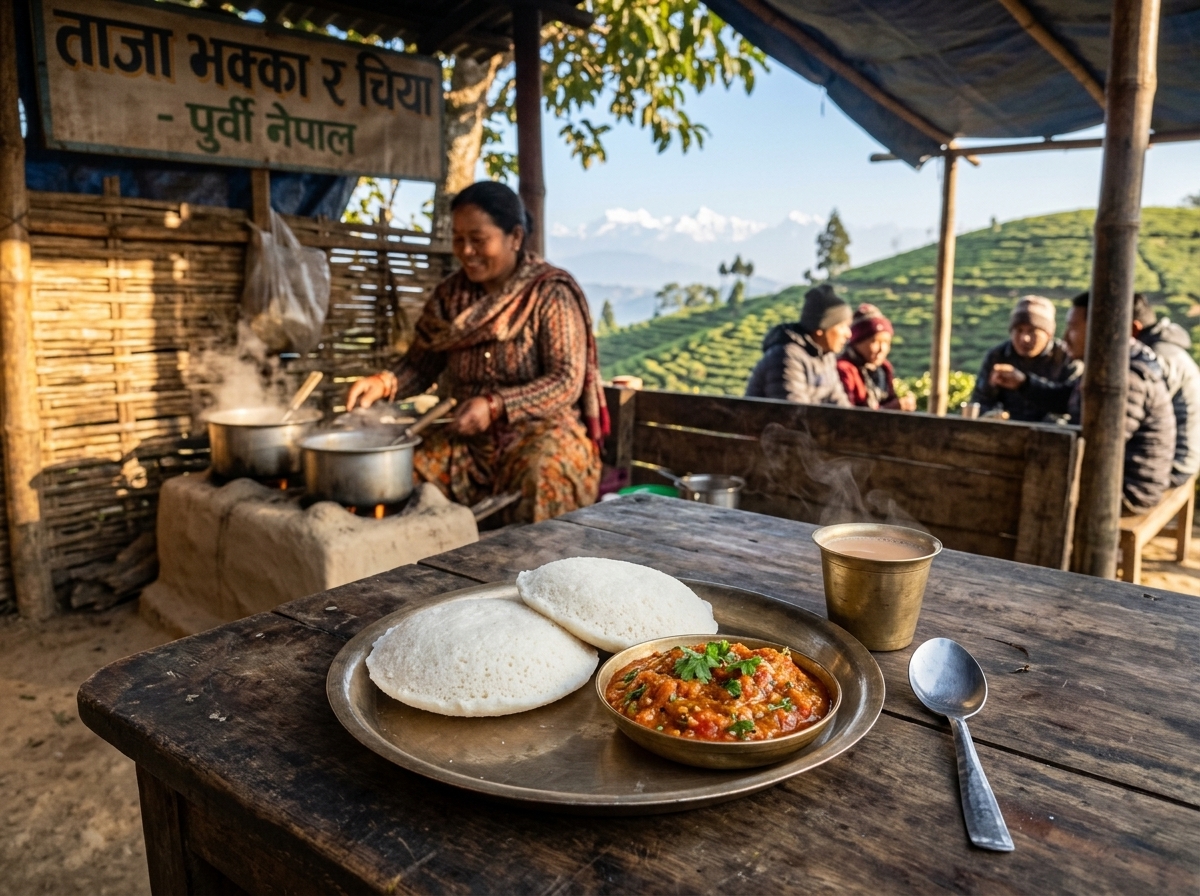
Bhakka is a traditional steamed rice cake made mainly from rice flour and water. It is especially popular in the eastern Terai, including districts such as Morang and Jhapa.
The preparation is simple, but the result is distinctive. The rice flour is lightly moistened, sieved into small grains, shaped, and steamed until the bhakka becomes soft and fluffy.
People commonly enjoy it with:
- Fresh tomato pickle or achar
- Salt and chilli
- Spicy chutney
- A cup of hot tea on a chilly morning
Unlike fried snacks, traditional bhakka is steamed. Its mild flavour makes it a good match for spicy and tangy accompaniments.
History and Cultural Significance of National Bhakka Day
Bhakka has a strong place in the food traditions of the Koch Rajbanshi community and is also associated with other communities of eastern Nepal, including Tharu and Tajpuria people.
For generations, families have prepared bhakka at home and local vendors have sold it in neighbourhoods and marketplaces. During winter, the sight of steaming bhakka at roadside stalls is familiar across parts of the eastern Terai.
National Bhakka Day helps bring this local tradition into wider public awareness. It can also support the people who prepare and sell bhakka, many of whom earn seasonal income from this traditional food.
The celebration is more than a food event. It is an opportunity to appreciate Indigenous knowledge, local ingredients, traditional cooking methods, and the cultural stories passed from one generation to another.
How Is Bhakka Prepared?
Traditional bhakka is made with a few basic ingredients.
Ingredients
- Rice or rice flour
- Water
- Pickle or chutney for serving
Basic Preparation
- Clean and soak the rice if preparing the flour traditionally.
- Grind the rice and sieve the flour.
- Sprinkle water gradually over the flour until it forms a fine, moist texture.
- Place the mixture in a small mould or bowl.
- Steam it until cooked and fluffy.
- Serve hot with tomato achar or your preferred chutney.
The exact technique can differ from one household or locality to another. Traditional preparation methods are part of what makes bhakka special.
Why Should We Preserve Traditional Nepali Foods?
Traditional foods connect people with their roots. They also create opportunities for local businesses and help introduce regional cultures to visitors.
Celebrating National Bhakka Day can help:
- Preserve cultural heritage: Keep traditional recipes and food practices alive.
- Support local livelihoods: Encourage customers to buy from local bhakka sellers.
- Promote regional tourism: Introduce visitors to the food culture of eastern Nepal.
- Celebrate diversity: Recognise the communities that have kept this tradition alive.
Young people can also help by learning traditional recipes, sharing food stories online, and supporting local food producers.
Conclusion
National Bhakka Day celebrates more than a steamed rice cake. It recognises the cultural heritage, community traditions, and local livelihoods connected with bhakka in eastern Nepal.
This Poush 29, consider trying freshly prepared bhakka, learning about the communities behind it, or supporting a local vendor. Have you ever eaten bhakka with tomato achar or salt and chilli? Share your experience in the comments, and share this article with someone who loves Nepali food and culture.
Frequently Asked Questions (FAQs)
1. When is National Bhakka Day celebrated?
National Bhakka Day is observed every year on Poush 29 in the Nepali calendar.
2. Which communities are associated with bhakka?
Bhakka is particularly associated with the Koch Rajbanshi community and is also enjoyed by other communities in eastern Nepal, including Tharu and Tajpuria people.
3. What is bhakka made of?
Bhakka is primarily made from rice flour and water. The mixture is shaped and steamed, then commonly served with tomato pickle, chutney, or salt and chilli.