


Introduction
Rabies is one of the world’s deadliest infectious diseases, but it is also preventable. A simple dog bite or scratch can become life-threatening if a person does not receive proper medical care in time.
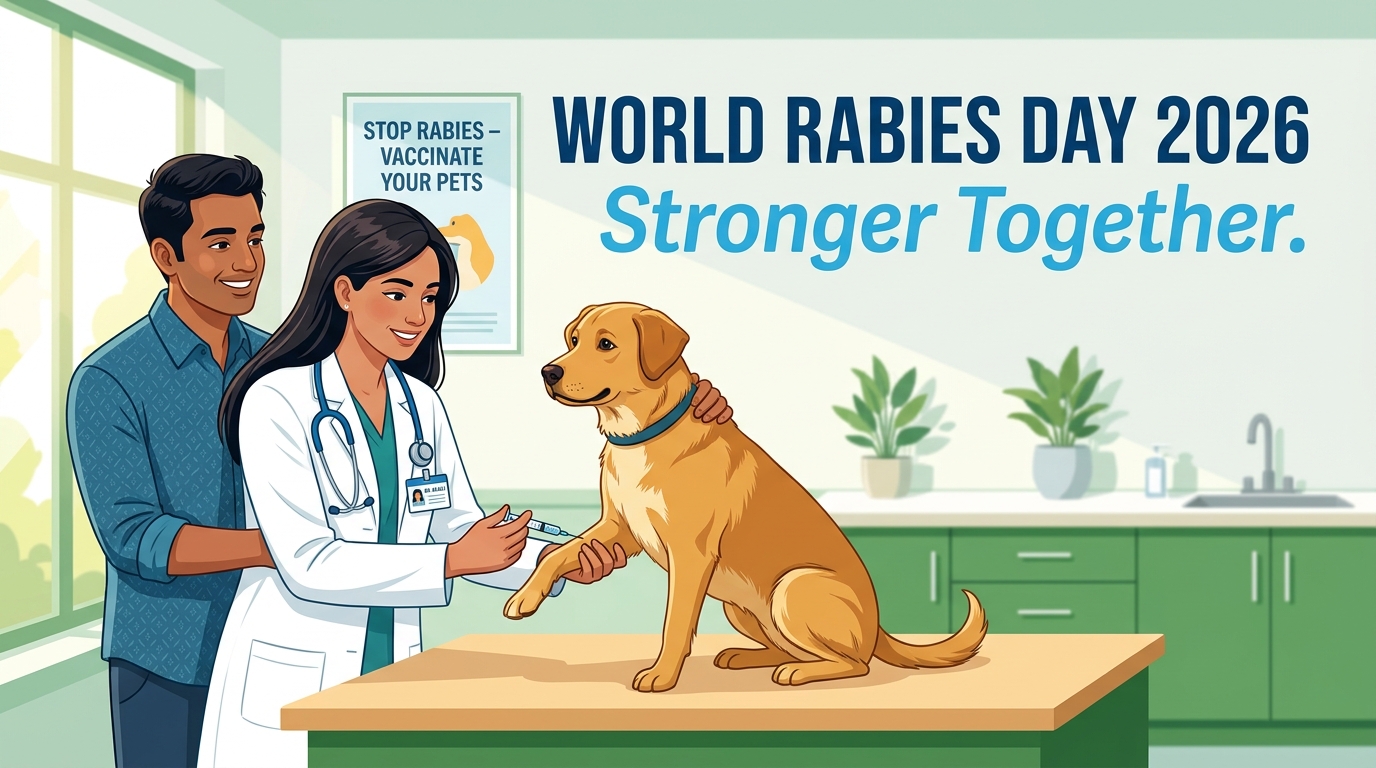
World Rabies Day is observed every year on September 28 to raise awareness about rabies prevention, responsible pet ownership, and the importance of vaccination. The day reminds individuals, communities, and governments that preventing rabies requires collective action.
In countries such as Nepal and India, where dog bites remain an important public health concern, awareness about rabies can help save lives.
When Is World Rabies Day 2026?
World Rabies Day is observed annually on September 28. In 2026, it falls on Monday, September 28.
The date marks the anniversary of the death of Louis Pasteur, the French scientist who helped develop the first successful rabies vaccine.
The observance encourages people worldwide to learn about rabies, protect their animals, and support efforts to eliminate dog-mediated human rabies deaths.
Why Is World Rabies Day Important?
Rabies is a viral disease that affects the central nervous system. It usually spreads to humans through the saliva of an infected animal, most commonly through a bite.
Once clinical symptoms appear, rabies is almost always fatal. However, prompt wound cleaning and appropriate post-exposure medical treatment can prevent the disease.
The main goals of World Rabies Day include:
- Raising public awareness about rabies transmission and prevention.
- Encouraging vaccination of dogs and cats.
- Promoting responsible pet ownership.
- Teaching people what to do after an animal bite or scratch.
- Supporting public health programs to eliminate dog-mediated rabies.
What Are the Symptoms of Rabies?
Rabies symptoms may take weeks or months to develop, although the incubation period can vary. Early symptoms may resemble those of other illnesses.
Early Symptoms
Common early symptoms include:
- Fever and headache.
- Weakness and general discomfort.
- Pain, itching, or tingling around the bite wound.
Advanced Symptoms
As the infection progresses, symptoms may include:
- Difficulty swallowing.
- Fear or difficulty drinking water (hydrophobia).
- Agitation, confusion, or unusual behaviour.
- Excessive salivation.
- Paralysis in some cases.
Important: Never wait for symptoms after a possible rabies exposure. Seek medical care immediately, even if the wound appears small or the animal looks healthy.
What Should You Do After a Dog Bite?
If a dog, cat, monkey, or another potentially rabid mammal bites or scratches you, take the following steps.
- Wash the wound immediately: Clean the bite or scratch thoroughly with soap and running water for at least 15 minutes.
- Apply an antiseptic if available: After washing, an appropriate antiseptic such as povidone-iodine may be used.
- Visit a health facility urgently: A healthcare professional will assess the exposure and determine whether rabies vaccination and rabies immunoglobulin are needed.
- Follow the recommended treatment schedule: Complete all prescribed vaccine doses and attend follow-up appointments.
- Do not rely on home remedies: Avoid applying chilli, turmeric, oil, or other unproven substances to the wound.
Even a minor scratch that breaks the skin may require medical assessment. Do not delay treatment while trying to locate or observe the animal.
How Can We Prevent Rabies?
Rabies prevention requires cooperation between people, veterinarians, and public health authorities.
1. Vaccinate Pets
Regular rabies vaccination is essential for dogs and cats. Consult a veterinarian about the appropriate vaccination schedule.
2. Avoid Unknown Animals
Do not approach, tease, or provoke stray or unfamiliar animals. Teach children to ask an adult before touching an animal.
3. Support Community Dog Vaccination
Mass vaccination of dogs is a key strategy for reducing dog-mediated rabies. Community education and responsible animal management also help reduce risk.
4. Report Animal Bites
Seek medical attention after a bite or scratch and follow local public health advice. Where appropriate, inform the relevant veterinary or animal health authorities.
5. Spread Awareness
Share reliable information about rabies prevention with your family, neighbours, schools, and online communities.
World Rabies Day in Nepal and India
Nepal and India face ongoing challenges related to dog-mediated rabies. Stray dog populations, gaps in vaccination coverage, limited awareness, and delayed medical care can increase the risk of human infection.
In both countries, improving access to rabies vaccines, strengthening dog vaccination campaigns, and educating communities are important steps toward prevention.
On World Rabies Day, schools, health facilities, local governments, animal welfare groups, and communities can organise awareness programs, vaccination campaigns, and educational activities.
People can also contribute by vaccinating their pets, avoiding contact with unfamiliar animals, and encouraging anyone who has been bitten to seek immediate medical attention.
World Rabies Day 2026 Theme
The official theme for World Rabies Day 2026 should be confirmed through the Global Alliance for Rabies Control or the World Health Organization before publication.
Avoid using an unverified theme in your article. Once the official theme is announced, add it here along with a short explanation of how it supports global rabies prevention efforts.
Frequently Asked Questions (FAQs)
1. When is World Rabies Day celebrated?
World Rabies Day is observed every year on September 28 to raise awareness about rabies prevention and control.
2. Can rabies be prevented after a dog bite?
Yes. Prompt wound washing and timely medical treatment, including rabies vaccines and other recommended preventive care, can prevent rabies after exposure. Seek medical attention immediately.
3. Can a vaccinated pet still spread rabies?
Rabies vaccination greatly reduces the risk, but no vaccine provides an absolute guarantee. If a vaccinated pet bites someone, the person should still seek medical advice. Follow local veterinary and public health guidance.
Conclusion
World Rabies Day reminds us that rabies is a deadly disease, but it is largely preventable through awareness, vaccination, and timely medical care.
Whether you live in Nepal, India, or another country, you can help prevent rabies by vaccinating pets, practising safe behaviour around animals, and seeking immediate care after a bite or scratch.
Have you ever participated in a rabies awareness or animal vaccination campaign? Share your experience in the comments, and share this article with friends and family to help spread awareness.
Stay informed, protect animals, and help build a rabies-free future.


