


Introduction
Information plays an important role in our daily lives. Whether we are checking government notices, reading the news, applying for public services, or learning about our rights, access to accurate information helps us make better decisions.
However, not everyone can easily find reliable information. Some people face barriers because of limited internet access, language differences, disability, or a lack of transparency in public institutions.
The International Day for Universal Access to Information, observed every year on September 28, highlights the importance of making information available to everyone. It encourages governments, organizations, and citizens to support transparency, accountability, and informed decision-making.
What Is the International Day for Universal Access to Information?
The International Day for Universal Access to Information is a global observance that promotes everyone’s right to seek, receive, and share information.
The United Nations Educational, Scientific and Cultural Organization (UNESCO) supports this day to raise awareness about the importance of access to information for sustainable development, democracy, and good governance.
The United Nations General Assembly proclaimed September 28 as the International Day for Universal Access to Information in 2019. UNESCO had previously established the observance in 2015.
The day reminds us that access to information is not simply about using the internet. It also means having access to public records, government decisions, educational resources, health information, and other facts that affect our lives.
Why Is Access to Information Important?
Access to reliable information benefits individuals, communities, and entire countries. Here are some key reasons why it matters.
1. Promotes Transparency and Accountability
When citizens can access government decisions, budgets, policies, and public records, they can better understand how public institutions operate.
Transparency also helps people ask questions, identify problems, and hold authorities accountable for their actions.
2. Supports Democracy
A well-informed citizen can make better decisions during elections and participate more effectively in public discussions.
Reliable information helps people understand political issues, evaluate different viewpoints, and recognize misleading claims.
3. Improves Education and Awareness
Students, teachers, researchers, and lifelong learners depend on accurate information to gain knowledge and develop new skills.
Open educational resources and accessible public information can also help reduce learning gaps between urban and rural communities.
4. Helps Fight Misinformation
False information spreads quickly through social media and messaging platforms. Access to trustworthy sources helps people verify claims before sharing them.
Learning how to check sources, dates, evidence, and official statements is an important part of digital literacy.
5. Supports Social and Economic Development
Information about employment opportunities, government services, public health, agriculture, and business can help people improve their lives.
When information is available in accessible formats and local languages, more people can benefit from it.
International Day for Universal Access to Information in Nepal
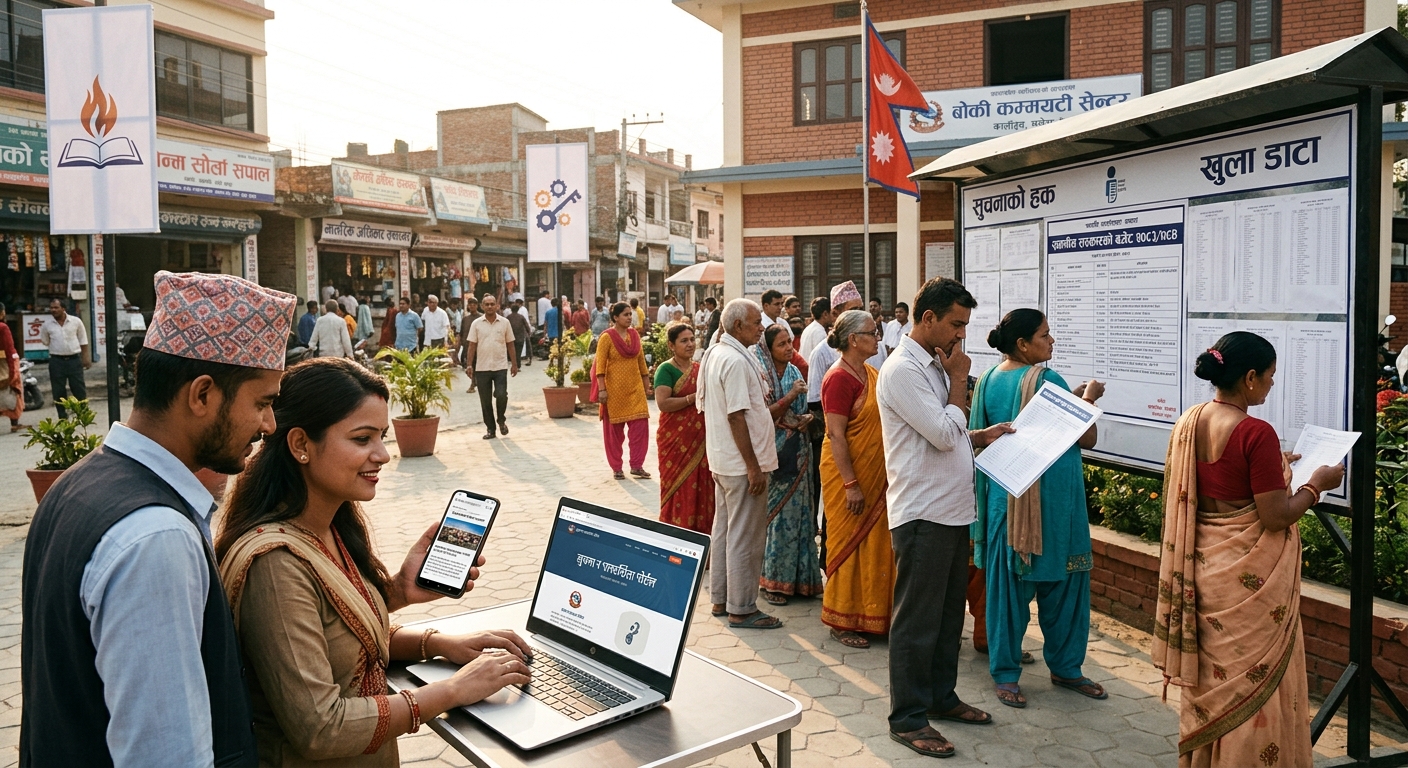
In Nepal, access to information is especially important for promoting good governance and helping citizens understand their rights.
Nepal’s Constitution recognizes the right to information as a fundamental right, subject to applicable legal limitations. The Right to Information Act, 2064 (2007), provides a legal framework for obtaining information held by public bodies.
Citizens can use this right to seek relevant public information, such as details about development projects, public expenditure, government decisions, and public services, in accordance with the law.
Despite this framework, challenges remain. People in remote areas may have limited internet access, while language barriers and low digital literacy can make information difficult to understand.
To improve access to information in Nepal, public institutions and communities can:
- Publish public notices and service information clearly.
- Make government websites easier to use on mobile phones.
- Share important information in local languages and accessible formats.
- Improve digital literacy in schools and communities.
- Respond to lawful information requests transparently and on time.
- Encourage citizens to verify information before sharing it online.
The International Day for Universal Access to Information is an opportunity for Nepal to strengthen public awareness and encourage more transparent institutions.
How Can We Celebrate This Day?
Everyone can contribute to making information more accessible. You do not need to work for a government agency or an international organization to make a difference.
Here are some simple ways to participate:
- Learn about your rights: Understand the laws and procedures that allow you to request public information.
- Share reliable information: Help friends and family find trustworthy news, educational resources, and official notices.
- Promote digital literacy: Teach others how to identify suspicious websites and misleading social media posts.
- Support open government: Encourage public institutions to publish useful information clearly and accessibly.
- Use trusted sources: Check official websites and credible organizations before believing or sharing important claims.
- Raise awareness online: Publish an informative blog post or social media message about the importance of access to information.
Small actions can help build a society where people are better informed and more confident in making decisions.
Conclusion
The International Day for Universal Access to Information reminds us that reliable information is essential for education, democracy, transparency, and social progress.
In Nepal and around the world, everyone should have a fair opportunity to access information that affects their lives. Governments, institutions, media organizations, and citizens all have a role in making that possible.
Information empowers people, strengthens communities, and supports a more transparent society.
What do you think Nepal should do to make public information easier for everyone to access? Share your thoughts in the comments, and share this article with others to spread awareness.
Frequently Asked Questions (FAQs)
1. When is the International Day for Universal Access to Information observed?
It is observed every year on September 28.
2. Why is universal access to information important?
It helps people understand their rights, participate in democratic processes, access public services, verify facts, and hold institutions accountable.
3. Does Nepal have a Right to Information law?
Yes. Nepal’s Right to Information Act, 2064 (2007), establishes a legal framework for accessing information held by public bodies, subject to applicable legal provisions.
Editorial note: Confirm any official 2026 theme from UNESCO before adding it. This article does not assume a theme has been announced.


