
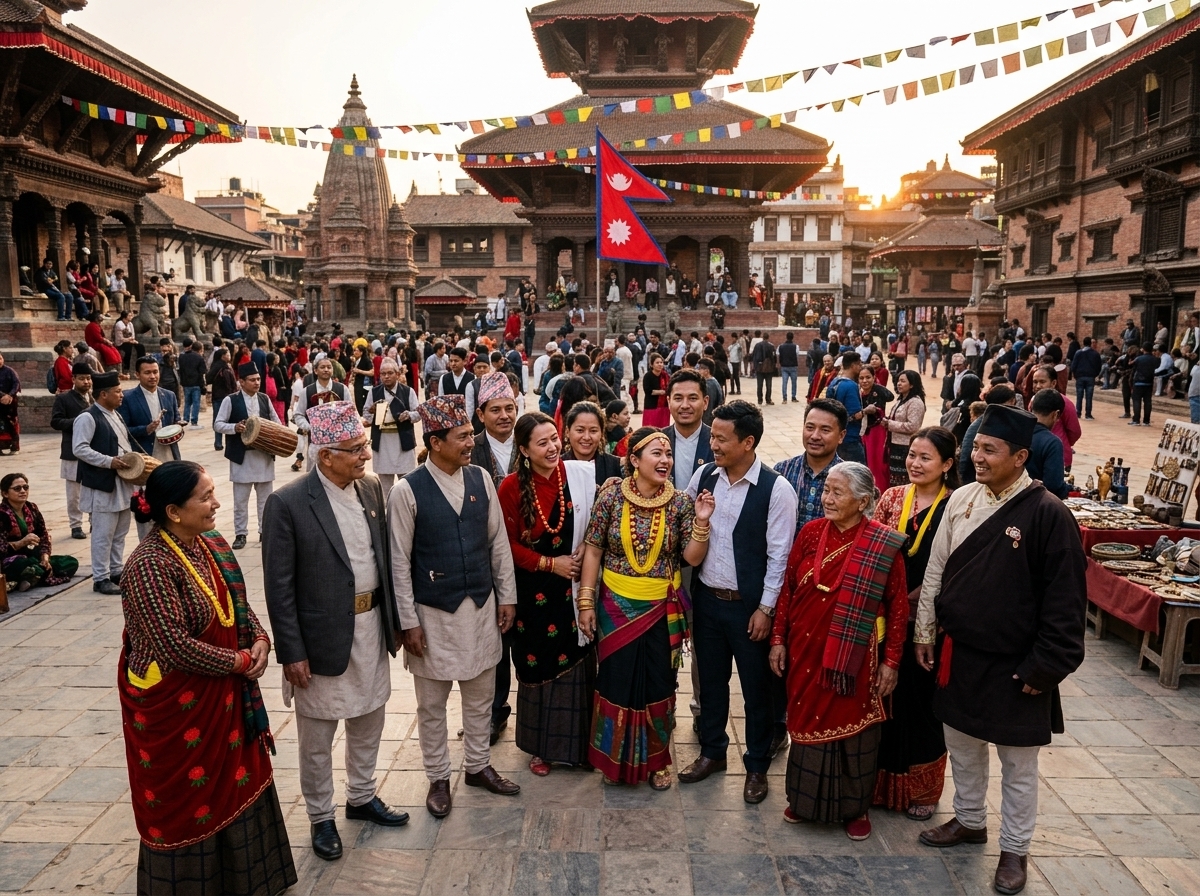
National Poshak Day
Nepal is a country rich in culture, traditions, languages, and ethnic diversity. From the Himalayas to the plains of the Terai, different communities have their own distinctive clothing, customs, and cultural identities.
National Poshak Day celebrates traditional Nepali attire and encourages people to appreciate the country’s cultural heritage. It is also commonly known as National Dress Day and Topi Day.
The occasion reminds Nepalis that traditional clothing is more than fashion. It represents history, craftsmanship, pride, and a connection with our roots.
When Is National Poshak Day 2027?
National Poshak Day is observed every year on January 1, alongside International Nepali Topi Day.
In 2027, it will fall on Friday, January 1, 2027.
The campaign began in 2013 (2070 BS), when young people started promoting traditional Nepali clothing under the slogan “Nepali Topi: Our Identity.” Since then, people and organizations have marked the occasion through gatherings, cultural programs, and social media campaigns.
What Is the History of National Poshak Day?
The National Poshak Day campaign began as a public initiative to revive interest in traditional Nepali clothing, particularly among younger generations.
As modern fashion became more popular, campaigners wanted to encourage people to wear traditional attire during celebrations, public events, and important occasions.
The movement gradually spread beyond its original location and gained attention across Nepal. Today, many people wear traditional clothes on January 1 and share photographs to celebrate their Nepali identity.
It is important to remember that Nepal’s cultural heritage includes many ethnic and regional costumes, not just one style of dress.
Traditional Nepali Dresses and Their Importance
Nepal’s traditional clothing reflects its diverse communities and long history. Some well-known forms of Nepali attire include the following.
1. Daura Suruwal
Daura Suruwal is a traditional outfit commonly associated with Nepali men. It consists of a daura, a wrap-style upper garment, and suruwal, a type of trousers.
People often wear it with a waistcoat or coat and a Nepali cap for formal occasions, cultural programs, and ceremonies.
2. Dhaka Topi
The Dhaka Topi is one of Nepal’s best-known cultural symbols. Traditionally woven from patterned fabric, it is widely worn during festivals, national celebrations, and formal events.
Many Nepalis living abroad also wear the cap to express their connection with their homeland.
3. Gunyu Cholo
Gunyu Cholo is a traditional outfit associated with Nepali women, particularly in certain cultural and ceremonial contexts. Its design and use can vary between communities and generations.
4. Other Ethnic and Regional Costumes
Nepal’s diversity is also reflected in Tamang, Gurung, Newar, Tharu, Sherpa, Maithil, Limbu, Rai, and many other traditional clothing styles.
Respecting these costumes is an important part of preserving Nepal’s multicultural heritage.
Why Is National Poshak Day Important?
National Poshak Day encourages people to value traditional clothing while keeping cultural practices alive.
Its importance includes:
- Preserving cultural heritage: Traditional attire connects present generations with their history.
- Encouraging young people: The day inspires younger generations to learn about Nepali customs.
- Supporting local craftsmanship: Interest in traditional clothing can help artisans, weavers, and local businesses.
- Promoting Nepali identity: Wearing traditional attire can express a sense of belonging and cultural pride.
- Celebrating diversity: Learning about different costumes helps people appreciate Nepal’s many communities.
Cultural pride should bring people together rather than create divisions. Every community’s traditions deserve respect.
How Can We Celebrate National Poshak Day?
You do not need to organize a large event to celebrate this occasion. Small actions can make a meaningful difference.
- Wear traditional Nepali attire on January 1.
- Learn about the history of Dhaka Topi and other traditional garments.
- Encourage children and young people to explore Nepal’s cultural heritage.
- Support local weavers, tailors, and traditional clothing businesses.
- Organize cultural programs at schools, colleges, or community centres.
- Share photographs and educational posts on social media.
- Respect and promote the traditional costumes of different ethnic communities.
These activities help keep cultural traditions relevant in modern life.
Frequently Asked Questions (FAQs)
1. When is National Poshak Day celebrated in Nepal?
National Poshak Day is observed every year on January 1. In 2027, it falls on Friday, January 1.
2. Why do Nepalis celebrate National Poshak Day?
The day promotes traditional Nepali clothing, encourages cultural pride, and raises awareness about preserving the country’s clothing traditions.
3. Which clothes are associated with National Poshak Day?
Daura Suruwal, Dhaka Topi, and Gunyu Cholo are commonly associated with the observance. Nepal’s many ethnic and regional costumes are also an important part of its cultural heritage.
Conclusion
National Poshak Day is an opportunity to celebrate Nepal’s traditional clothing and the cultural stories behind it. From the familiar Dhaka Topi to the diverse costumes of Nepal’s ethnic communities, every tradition adds something valuable to the country’s identity.
As January 1 approaches, let us appreciate our heritage, support traditional artisans, and encourage younger generations to learn about Nepal’s rich cultural diversity.
Which traditional Nepali dress do you like the most? Share your thoughts in the comments, and share this article with friends and family to help promote Nepal’s cultural heritage.