


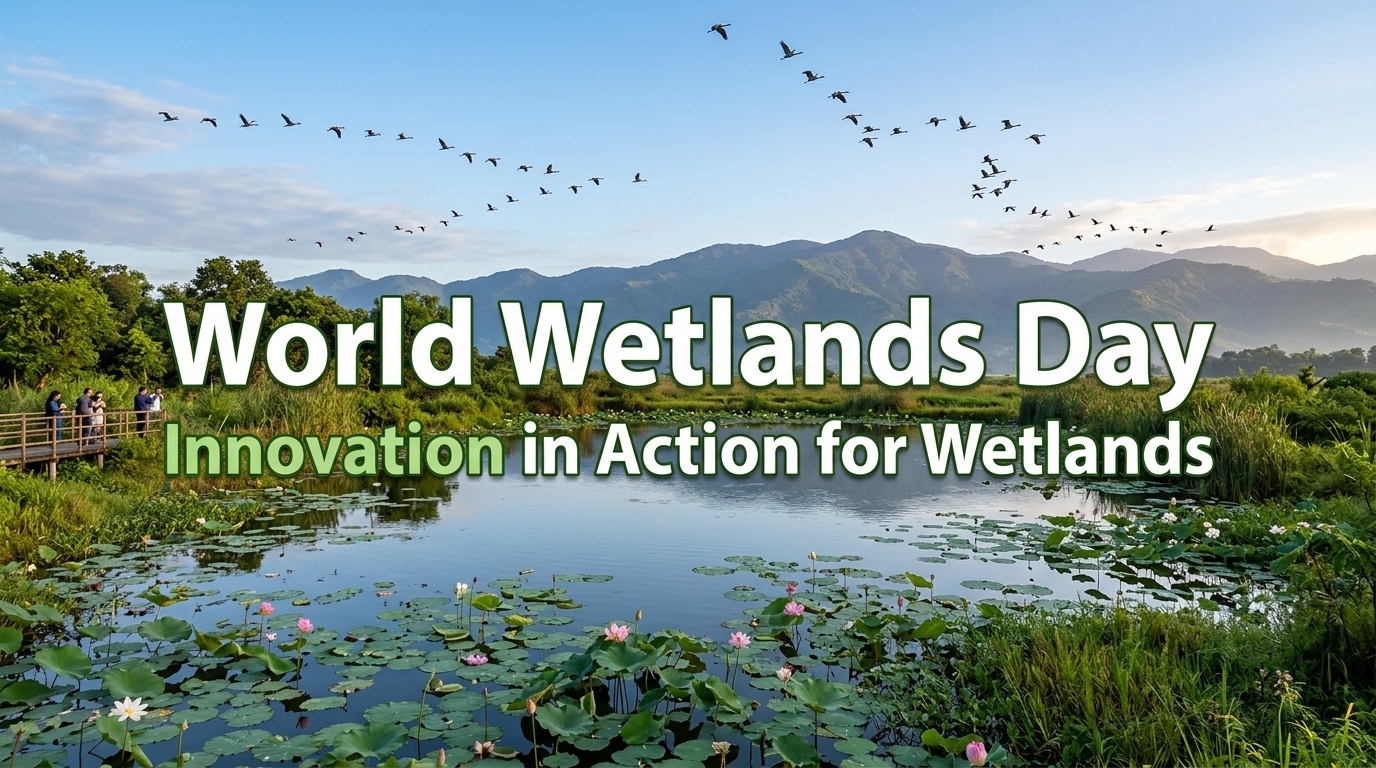
World Wetlands Day: Protecting Nature and Our Future
Imagine a lake where birds rest during migration, fish thrive in clean water, and nearby communities depend on the surrounding land for their livelihoods. These places are more than beautiful natural landscapes. They are wetlands, and they play an essential role in keeping our planet healthy.
World Wetlands Day reminds us why these ecosystems deserve protection. Wetlands support wildlife, help regulate water, reduce flood risks, and provide resources for millions of people. Yet pollution, land conversion, and climate change continue to threaten them.
In Nepal, lakes, marshes, river floodplains, and other wetland habitats are valuable for biodiversity, tourism, agriculture, and local communities. Protecting them is an investment in our future.
When Is World Wetlands Day 2027?
World Wetlands Day is observed every year on February 2. The date marks the adoption of the Convention on Wetlands in Ramsar, Iran, on February 2, 1971. The United Nations officially recognised the observance in 2021.
In 2027, World Wetlands Day falls on Tuesday, February 2.
World Wetlands Day 2027 Theme
The official theme for 2027 is “Innovation in action for wetlands.” It highlights the role of innovative ideas and practical solutions in conserving and restoring wetlands.
The theme encourages communities, researchers, governments, and conservation groups to explore better ways to monitor wetlands, reduce pollution, restore damaged habitats, and use resources sustainably.
What Are Wetlands?
Wetlands are areas where water influences the soil, plants, and wildlife either permanently or seasonally. They can be natural or human-made, and they occur in many different environments.
Common types of wetlands include:
- Lakes and ponds: Freshwater habitats that support fish, plants, and birds.
- Marshes and swamps: Water-rich areas that provide shelter and breeding grounds for wildlife.
- River floodplains: Areas that receive water when rivers overflow.
- Peatlands: Wet environments that store large amounts of carbon.
- Coastal wetlands: Mangroves, estuaries, and tidal areas where land meets the sea.
- Human-made wetlands: Some fishponds, reservoirs, and rice paddies.
Each type plays a different role in supporting nature and people.
Why Are Wetlands Important?
Healthy wetlands provide environmental, economic, and social benefits. Their value goes far beyond the water we see.
1. Wetlands Support Biodiversity
Wetlands provide food, shelter, and breeding grounds for many species, including fish, amphibians, reptiles, and migratory birds. Protecting these habitats helps maintain biodiversity and ecological balance.
2. They Help Reduce Flood Risks
Wetlands can absorb and temporarily store excess water during heavy rainfall. This natural water storage may reduce flooding in some areas, although it cannot prevent every flood.
3. They Improve Water Quality
Wetland soils and plants can trap sediments and help remove certain pollutants from water. This natural filtering function supports healthier rivers and lakes.
4. They Help Address Climate Change
Some wetlands, especially peatlands and mangroves, store significant amounts of carbon. Protecting and restoring them can help limit greenhouse gas emissions and strengthen climate resilience.
5. They Support Local Livelihoods
Many communities depend on wetlands for fishing, agriculture, tourism, water, and other resources. Sustainable wetland management can support both local incomes and environmental protection.
Wetlands in Nepal: Why Conservation Matters
Nepal is home to important wetland ecosystems, from high-altitude lakes to lowland floodplains and marshes. These habitats support wildlife and contribute to water security, tourism, and community livelihoods.
The country is a member of the Convention on Wetlands. The Convention’s country profile lists 10 Ramsar sites in Nepal, recognised as wetlands of international importance.
Examples include:
- Koshi Tappu: Known for its wetland habitats and rich birdlife.
- Ghodaghodi Lake Area: An important wetland complex in the western Terai.
- Pokhara Valley Lake Cluster: A group of lakes that support biodiversity, tourism, and local livelihoods.
- Gosaikunda: A high-altitude lake with ecological and cultural significance.
These places face different pressures, including pollution, habitat disturbance, invasive species, and unsustainable resource use. Conservation requires cooperation between communities, local authorities, and environmental organisations.
Major Threats to Wetlands
Despite their importance, wetlands are disappearing and becoming degraded in many parts of the world. The United Nations identifies land conversion, pollution, unsustainable resource use, invasive species, and climate change among the major threats.
Common threats include:
- Dumping plastic and household waste into lakes and rivers.
- Draining wetlands for buildings or agricultural expansion.
- Releasing untreated sewage and other pollutants.
- Overfishing and disturbing wildlife habitats.
- Allowing invasive plants to spread.
- Ignoring wetland protection in development planning.
When wetlands are damaged, the effects can reach far beyond their boundaries, affecting wildlife, water supplies, livelihoods, and nearby communities.


