


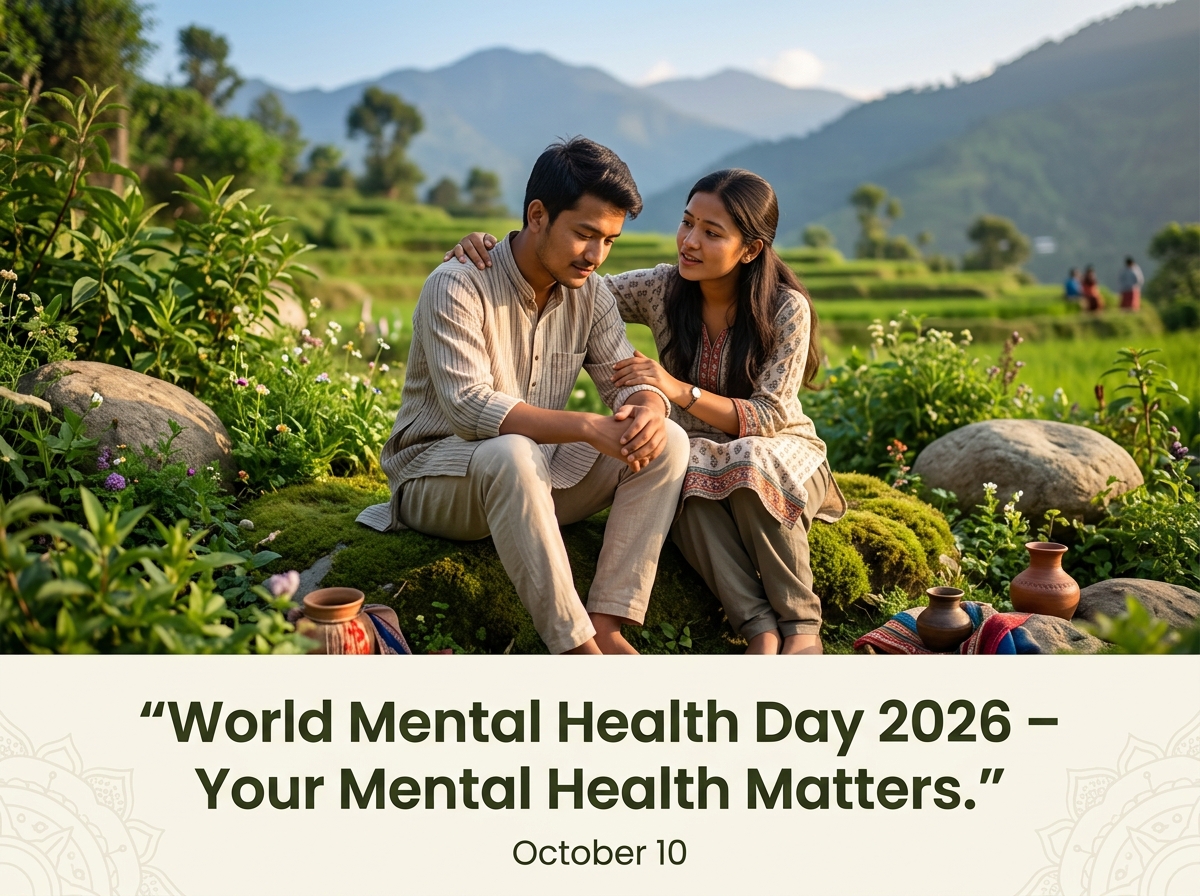
What Is World Mental Health Day?
Every year, people around the world observe World Mental Health Day to raise awareness about mental health and encourage everyone to take emotional well-being seriously. Mental health is an important part of our overall health, just like physical health.
Many people experience stress, anxiety, loneliness, or emotional difficulties but hesitate to talk about them. Some worry about what others might think, while others do not know where to seek help.
World Mental Health Day reminds us that asking for support is not a weakness. It is a positive step toward a healthier life.
When Is World Mental Health Day 2026?
World Mental Health Day is observed every year on October 10. In 2026, it falls on Saturday, October 10.
The day encourages governments, healthcare professionals, schools, workplaces, families, and communities to discuss mental health openly and improve access to appropriate support.
The World Health Organization (WHO) and mental health organizations worldwide help promote awareness and action around this important issue.
Why Is World Mental Health Day Important?
Mental health affects how we think, feel, make decisions, build relationships, and deal with everyday challenges. When our mental well-being suffers, even simple tasks can become difficult.
Here are some key reasons why this day matters:
1. It Reduces Mental Health Stigma
People experiencing mental health difficulties may fear judgment from family members, friends, or society. Open conversations can help challenge harmful stereotypes and encourage people to seek support without shame.
2. It Encourages Early Support
Recognizing emotional difficulties early can help people find suitable support before problems become more difficult to manage.
3. It Promotes Healthy Relationships
Listening with patience, showing kindness, and respecting others’ feelings can create a safer environment for honest conversations.
4. It Highlights Access to Mental Health Services
Everyone should have access to reliable mental health information and appropriate care, regardless of their income, location, or background.
Mental Health Awareness in Nepal
Mental health awareness is particularly important in Nepal, where family expectations, academic pressure, financial difficulties, unemployment, migration, and social challenges can affect emotional well-being.
In some communities, people may hesitate to discuss mental health because of social stigma or concerns about being misunderstood. Young people may also struggle with examination pressure, career uncertainty, relationships, and comparisons on social media.
Families, schools, colleges, workplaces, and local communities can make a difference by creating supportive spaces where people feel comfortable talking about their problems.
Instead of saying, “Just be strong,” we can ask, “Would you like to talk about what you are going through?”
Sometimes, a little understanding can help someone feel less alone.
7 Simple Ways to Protect Your Mental Health
Looking after your mental health does not always require major lifestyle changes. Small, consistent habits can support emotional well-being.
1. Talk to Someone You Trust
Share your feelings with a trusted friend, family member, teacher, or counselor. You do not have to handle every problem alone.
2. Get Enough Sleep
A regular sleep schedule can support your mood, concentration, and ability to manage stress.
3. Stay Physically Active
Walking, cycling, stretching, dancing, or playing a sport can help improve your overall well-being. Choose activities that fit your routine and physical ability.
4. Take Breaks From Social Media
Constantly comparing your life with other people’s online posts can increase stress. Set healthy limits and make time for offline activities.
5. Eat Balanced Meals
Regular, balanced meals and adequate hydration support general health and can help you maintain a stable daily routine.
6. Learn to Manage Stress
Try deep breathing, meditation, journaling, prayer, or spending time in nature. Different methods work for different people, so find what feels helpful to you.
7. Seek Professional Help When Needed
If emotional difficulties persist, affect daily activities, or feel overwhelming, consider speaking with a qualified mental health professional. Self-care can be useful, but it is not a replacement for professional care when that care is needed.
How Can You Observe World Mental Health Day?
You do not need to organize a large event to make a difference. Here are some meaningful ways to participate:
- Share accurate mental health information on social media.
- Check in on a friend or family member who may be struggling.
- Organize an awareness session at school, college, or work.
- Encourage respectful conversations about stress and emotional well-being.
- Learn about mental health services available in your community.
- Avoid spreading myths or making jokes about mental health conditions.
- Support organizations that provide mental health education and services.
A simple conversation can be a good place to start.
Frequently Asked Questions (FAQs)
1. When is World Mental Health Day celebrated?
World Mental Health Day is observed every year on October 10. In 2026, it falls on Saturday.
2. What is the main purpose of World Mental Health Day?
Its purpose is to raise awareness about mental health, reduce stigma, encourage supportive conversations, and promote access to appropriate mental health care.
3. How can I improve my mental health naturally?
Healthy routines, regular physical activity, sufficient sleep, supportive relationships, stress-management techniques, and time away from social media may help support mental well-being. If symptoms persist or interfere with daily life, seek professional guidance.
Conclusion
World Mental Health Day is a reminder that mental well-being deserves the same care and attention as physical health. Everyone experiences difficult days, and nobody should feel ashamed of asking for help.
In Nepal and around the world, we can build more supportive communities by listening without judgment, sharing reliable information, and encouraging people to seek appropriate care.
Your mental health matters. Your feelings matter. And you do not have to face every challenge alone.
What is one simple thing you do to look after your mental well-being? Share your thoughts in the comments, share this article with friends and family, and subscribe to our website for more informative articles.


