
Introduction
Our heart works day and night to keep us alive. Yet, many people do not think about their heart health until a problem occurs. Unhealthy eating habits, physical inactivity, smoking, and long-term stress can increase the risk of heart disease.
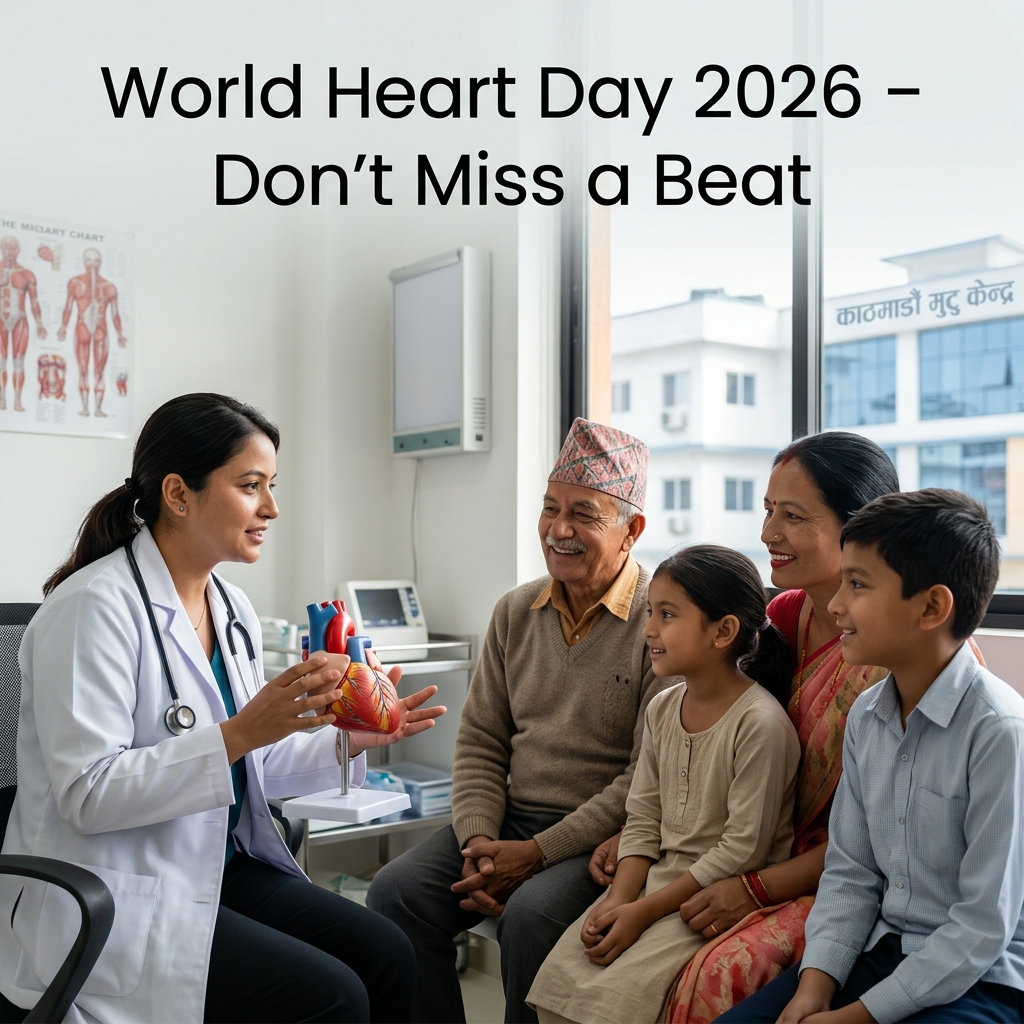
World Heart Day reminds us to take care of this vital organ before health problems develop. Observed every year on September 29, this global awareness day encourages people to understand cardiovascular diseases and make healthier lifestyle choices.
Whether you live in Nepal, India, or another part of the world, small daily habits can make a meaningful difference to your heart health.
What Is World Heart Day?
World Heart Day is an international awareness campaign dedicated to preventing cardiovascular diseases, including heart attacks and strokes. The World Heart Federation established the observance in 1999 in collaboration with the World Health Organization (WHO).
The day brings together health professionals, governments, communities, and individuals to spread awareness about heart disease and its prevention.
Date: September 29 every year.
The main message is simple: protecting your heart should be a daily priority, not something you think about only when you become ill.
Why Is World Heart Day Important?
Heart disease remains a major global health concern. Many cardiovascular conditions are associated with preventable risk factors, making awareness and early action especially important.
World Heart Day highlights several key issues:
- Prevention: Encouraging healthier eating, regular physical activity, and avoiding tobacco.
- Early detection: Promoting regular health checks for blood pressure, blood sugar, and cholesterol when appropriate.
- Public awareness: Helping people recognize important cardiovascular risk factors.
- Access to healthcare: Supporting efforts to make heart care and prevention services more accessible.
By understanding these risks, people can take practical steps to protect themselves and their families.
Common Causes and Risk Factors of Heart Disease
Heart disease can develop for several reasons. Some risk factors, such as age and family history, cannot be changed. Others can be managed through lifestyle changes and medical care.
Common risk factors include:
- High blood pressure.
- High cholesterol.
- Diabetes and elevated blood sugar.
- Smoking and tobacco use.
- Physical inactivity.
- Diets high in salt, unhealthy fats, and added sugar.
- Excessive alcohol consumption.
- Overweight or obesity.
- Chronic stress and inadequate sleep.
Having one or more risk factors does not mean a person will definitely develop heart disease. However, understanding these factors can help people make informed decisions about their health.
How to Keep Your Heart Healthy
1. Eat a Balanced Diet
Choose vegetables, fruits, whole grains, beans, lentils, nuts, and other nutritious foods. Limit excess salt, sugary drinks, processed foods, and foods high in unhealthy fats.
In Nepal, traditional foods such as dal, bhat, tarkari, beans, and seasonal vegetables can be part of a balanced diet. Portion sizes and cooking methods also matter.
2. Exercise Regularly
Walking, cycling, swimming, dancing, or other activities can help support heart health. Adults should generally aim for at least 150 minutes of moderate-intensity aerobic activity each week, or an equivalent amount of vigorous activity, according to WHO guidance.
Start with manageable activities and gradually increase your routine according to your fitness level.
3. Avoid Smoking and Tobacco
Smoking and other tobacco use damage blood vessels and increase cardiovascular risk. Avoiding tobacco is one of the most important steps you can take to protect your heart.
If quitting feels difficult, seek support from a healthcare professional or a local tobacco-cessation service.
4. Monitor Your Health
High blood pressure and high cholesterol may not cause noticeable symptoms. Regular health checks can help identify problems early.
Ask a qualified healthcare professional how often you should check your blood pressure, blood sugar, and cholesterol based on your age and individual risk factors.
5. Manage Stress and Sleep Well
Long-term stress and poor sleep can affect overall health and may contribute to unhealthy habits. Maintain a regular sleep schedule, take breaks, spend time with loved ones, and try relaxation activities that work for you.
6. Take Prescribed Medicines Correctly
If you have high blood pressure, diabetes, or another cardiovascular risk factor, follow your healthcare professional’s advice. Do not stop or change prescribed medication without consulting them.
World Heart Day in Nepal and India
In Nepal and India, changing lifestyles, urbanization, tobacco use, and the growing burden of noncommunicable diseases make heart health awareness particularly relevant.
Busy schedules can make exercise difficult, while easy access to salty snacks and sugary drinks may encourage unhealthy eating habits. Families can respond by preparing balanced meals, walking together, avoiding tobacco, and attending recommended health check-ups.
Schools, workplaces, health facilities, and community groups can also mark World Heart Day through awareness programs, walking events, health screenings, and educational campaigns.
Even a small community activity can encourage people to take their heart health seriously.
World Heart Day Theme
The World Heart Federation announces campaign messaging and themes for World Heart Day. The official theme or campaign slogan can vary from year to year.
For World Heart Day 2026, check the World Heart Federation’s official website for the confirmed campaign theme before publishing a specific slogan. This helps ensure that your article contains accurate, up-to-date information.
What Are the Warning Signs of a Heart Attack?
Possible warning signs include:
- Chest pain, pressure, or discomfort.
- Pain or discomfort in one or both arms, the back, neck, jaw, or stomach.
- Shortness of breath.
- Cold sweating, nausea, or lightheadedness.
Symptoms can differ between individuals and may not always be dramatic. If you suspect a heart attack, seek emergency medical help immediately. Do not wait for symptoms to disappear.
Frequently Asked Questions (FAQs)
1. When is World Heart Day celebrated?
World Heart Day is observed every year on September 29 to raise awareness about cardiovascular diseases and encourage heart-healthy lifestyles.
2. What is the main purpose of World Heart Day?
Its main purpose is to educate people about heart disease, highlight preventable risk factors, and encourage individuals and communities to take action for better cardiovascular health.
3. How can I celebrate World Heart Day?
You can celebrate by taking a walk, preparing a balanced meal, learning about heart disease, checking your blood pressure when appropriate, joining a community awareness event, or encouraging family members to adopt healthier habits.
Conclusion
World Heart Day is a reminder that looking after your heart begins with everyday decisions. Eating nutritious food, staying active, avoiding tobacco, managing health conditions, and attending recommended check-ups can all help reduce cardiovascular risk.
You do not need to change everything at once. Start with one healthy habit and build on it over time.
How do you take care of your heart? Share your thoughts in the comments, share this article with your friends and family, and subscribe to our website for more health awareness articles.