


Introduction
Every child deserves a safe childhood, quality education, proper healthcare, and the freedom to dream. However, millions of children around the world still face poverty, violence, discrimination, and limited access to education.
World Children’s Day reminds us that children are not only the future of society but also important members of the world today. Their voices, needs, and rights deserve attention and respect.
Observed every year on November 20, this international day encourages governments, families, schools, and communities to work together for a better future for every child.
When Is World Children’s Day 2026?
World Children’s Day is celebrated annually on November 20. In 2026, it falls on Friday, November 20.
The United Nations established this day to promote international togetherness, awareness among children worldwide, and the improvement of children’s welfare.
November 20 is especially significant because the United Nations General Assembly adopted the Declaration of the Rights of the Child in 1959 and the Convention on the Rights of the Child in 1989.
Why Is World Children’s Day Important?
World Children’s Day highlights the importance of protecting children’s rights and creating opportunities for every child, regardless of their background.
1. Promoting Children’s Rights
Every child has fundamental rights, including the right to life, education, healthcare, protection, and participation. These rights should be respected regardless of a child’s gender, religion, nationality, or economic background.
2. Supporting Education for Every Child
Education helps children develop knowledge, confidence, and practical skills. Yet some children still struggle to attend school because of poverty, geographical barriers, disability, or social discrimination.
World Children’s Day encourages communities and governments to make quality education accessible to all children.
3. Protecting Children from Violence
Children must be protected from abuse, exploitation, child labour, trafficking, and neglect. Families, schools, and authorities all have a responsibility to provide safe environments where children can grow without fear.
4. Promoting Children’s Mental and Physical Health
Good nutrition, clean drinking water, healthcare, physical activity, and emotional support are essential for healthy childhood development.
Children also need opportunities to express their feelings and receive support when they experience difficulties.
World Children’s Day in Nepal
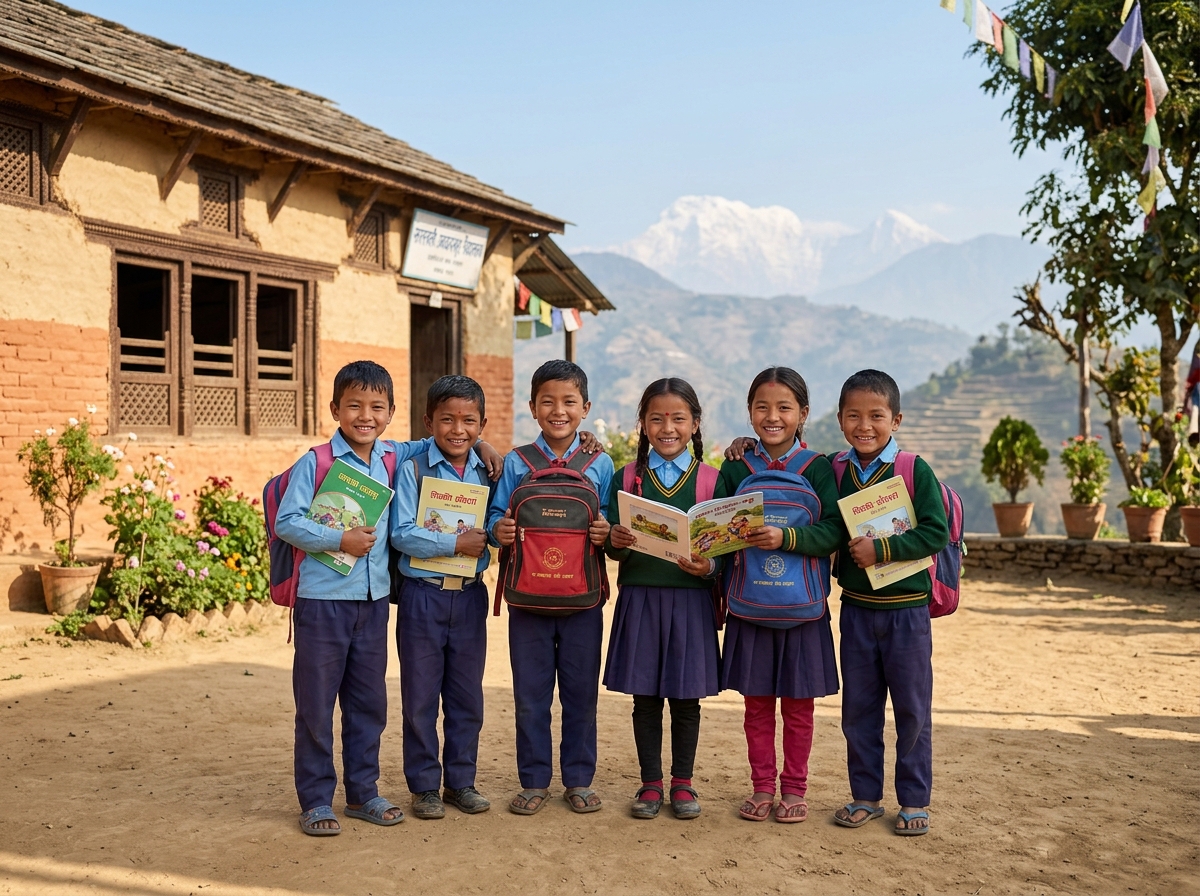
In Nepal, children’s welfare remains an important issue, particularly in rural and remote communities where access to quality education, healthcare, and protection services can be challenging.
Although many children attend school, some still face barriers related to poverty, child labour, early marriage, disability, and unequal opportunities.
World Children’s Day 2026 provides an opportunity for Nepali communities to reflect on these challenges and take practical action.
Schools can organize essay competitions, drawing contests, debates, awareness programmes, and discussions about children’s rights. Parents can encourage children to express their opinions, while local governments can strengthen child protection and education programmes.
Small actions at the community level can help create a safer and more supportive environment for children.
How Can We Celebrate World Children’s Day?
Everyone can contribute to making childhood safer, happier, and more meaningful.
Here are five simple ways to observe the day:
- Organize educational activities: Conduct school programmes about children’s rights, equality, and responsibilities.
- Support disadvantaged children: Donate books, school supplies, or other essential items through trustworthy organizations.
- Promote online safety: Teach children how to protect their privacy and recognize online risks.
- Listen to children’s voices: Give children opportunities to share their ideas and concerns without fear.
- Raise awareness: Share reliable information about children’s rights on social media and encourage others to take action.
Celebrating this day is not only about organizing events. It is also about making meaningful changes in children’s everyday lives.
The Role of Parents, Schools, and Governments
Parents should provide love, care, guidance, and protection. They should encourage children to learn, ask questions, and develop their interests.
Schools should offer inclusive education and protect students from bullying, discrimination, and physical punishment.
Governments should strengthen child protection laws, improve access to healthcare and education, and ensure that children’s rights are protected in practice.
When families, schools, communities, and governments work together, children have a better chance of growing into healthy, confident, and responsible adults.
Frequently Asked Questions (FAQs)
1. When is World Children’s Day celebrated?
World Children’s Day is celebrated every year on November 20. In 2026, it falls on Friday, November 20.
2. Why do we celebrate World Children’s Day?
We celebrate it to promote children’s rights, raise awareness of the challenges they face, and encourage action to improve their safety, education, health, and overall well-being.
3. Is World Children’s Day the same as National Children’s Day in Nepal?
No. World Children’s Day is observed internationally on November 20. Nepal also celebrates National Children’s Day on Bhadra 29 according to the Nepali calendar, commemorating the country’s adoption of the Convention on the Rights of the Child in 1990.
Conclusion
World Children’s Day is a reminder that every child deserves love, safety, education, healthcare, and equal opportunities. Protecting children’s rights is a shared responsibility that requires action throughout the year, not just on one special day.
In Nepal and around the world, we can help build a brighter future by listening to children, supporting their education, and protecting them from abuse and discrimination.
What do you think is the biggest challenge facing children in Nepal today? Share your thoughts in the comments, share this article to raise awareness, and subscribe to our website for more informative articles.


