Online Banking in Nepal: Services, Benefits and Safety Tips
Banking has become easier with the growth of digital technology. Today, customers in Nepal can check account balances, transfer money, pay bills, and manage many banking activities using a smartphone or computer.
Online banking saves time because customers do not always need to visit a bank branch for routine transactions. However, digital banking also requires careful use of passwords, verification codes, and payment details.
This guide explains online banking in Nepal, the services available, its benefits, and practical ways to protect your money while using digital financial services.
What Is Online Banking?
Online banking is a service that allows customers to access selected banking facilities through the internet.
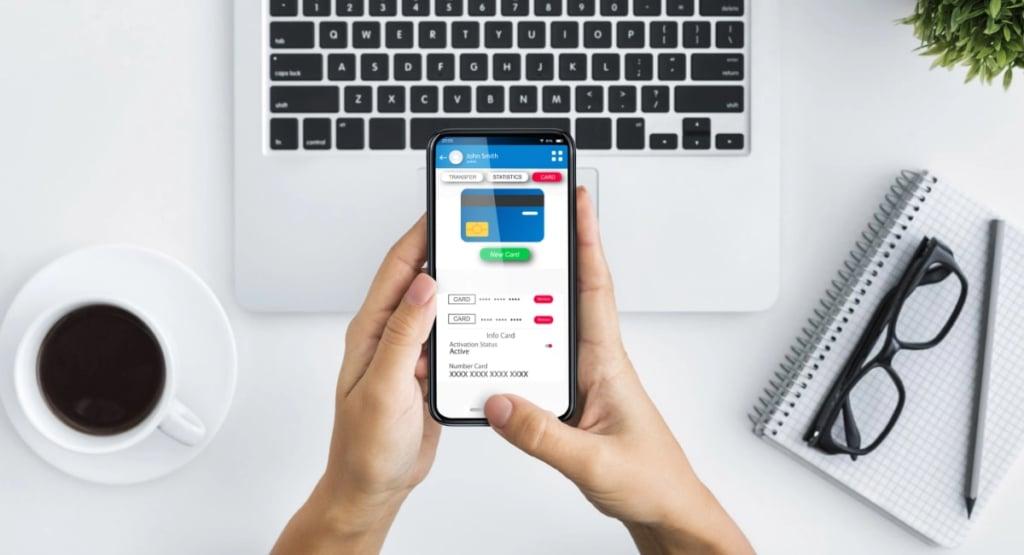
Banks generally provide online banking through websites, mobile applications, or both. Customers can use these services to manage accounts and perform transactions without visiting a branch for every activity.
The exact features depend on the bank, account type, and service terms.
Common Online Banking Services in Nepal
Many banks in Nepal offer digital services through their official mobile banking applications and internet banking portals.
Here are some common facilities.
1. Check Account Balance
Customers can view their available account balance through a bank’s official application or internet banking service. Some services also provide transaction history and account statements.
2. Transfer Money
Depending on the bank and available payment networks, customers may transfer money between their own accounts or to other bank accounts.
Always verify the recipient’s name, account details, and amount before confirming a transfer.
3. Pay Utility Bills
Some digital banking services support payments for electricity, internet, telephone, water, and other services.
The available billers may differ between banks. Check the details and any applicable charges before making a payment.
4. Mobile Top-Up and Digital Payments
Many banking applications offer mobile recharge and access to digital payment services. Customers may also use supported QR payment systems at participating merchants.
Confirm that the merchant name and payment amount are correct before scanning or approving a QR transaction.
5. View Statements and Transaction History
Digital banking makes it easier to review previous transactions. Regularly checking your statement can help you identify unfamiliar payments and manage your spending.
6. Other Banking Requests
Depending on the institution, online services may include cheque-related requests, card management, service applications, or other account facilities. Some requests may still require additional verification or a branch visit.
Benefits of Online Banking in Nepal
Online banking offers several advantages for customers.
Convenience: You can access supported banking services without travelling to a branch.
Time saving: Routine activities such as checking balances and making eligible transfers can be completed online.
Access to transaction records: Digital statements and transaction histories help customers monitor their money.
Bill payment: Supported utility and service payments can be made through digital channels.
Availability: Many services are accessible outside normal branch hours, although maintenance periods, transaction limits, and service interruptions may apply.
Better money management: Reviewing transactions regularly can help you understand your spending habits.
How to Start Using Online Banking
If you want to use online banking, follow these general steps:
- Choose a bank and open an eligible account if you do not already have one.
- Ask the bank about its official mobile banking or internet banking service.
- Register using the bank’s approved process.
- Download the application only from the official app store or follow the bank’s official website.
- Complete identity verification as instructed by the bank.
- Set a strong password or PIN and enable available security features.
- Read the transaction limits, fees, and service conditions before using the service.
Never register through an unknown link sent by a stranger. If you are unsure whether an application or website is genuine, contact your bank through its official contact details.
7 Important Online Banking Safety Tips
Digital banking is convenient, but customers must protect their accounts.
1. Use Strong Passwords
Create a unique password for your banking service. Avoid using your name, birthday, or common number combinations.
2. Never Share Your OTP or PIN
Banks and legitimate support staff should not ask you to reveal your confidential password, OTP, or PIN through an unsolicited call or message. Never share these details with anyone.
3. Use Official Banking Applications
Download mobile banking applications from official app stores and confirm the developer’s identity. Avoid applications shared through unknown links or files.
4. Avoid Banking on Untrusted Public Wi-Fi
Use a trusted mobile data connection or secure network when performing sensitive transactions. Avoid entering banking credentials on unfamiliar public networks.
5. Enable Notifications
If your bank offers transaction alerts, enable them. Notifications can help you notice unexpected account activity quickly.
6. Log Out from Shared Devices
Do not save banking passwords on public or shared computers. Log out after using internet banking and close the browser.
7. Report Suspicious Transactions Immediately
If you notice an unfamiliar transaction or suspect that your account has been compromised, contact your bank immediately using its official phone number or service channel. Follow its instructions to secure the account.
Online Banking vs Mobile Banking
Online banking and mobile banking are related but not exactly the same.
| Feature | Internet banking | Mobile banking |
|---|---|---|
| Access | Bank website or portal | Bank mobile application |
| Device | Computer or supported browser | Smartphone or tablet |
| Main use | Account and transaction management | Banking while on the move |
| Security | Password and available verification methods | App security and available verification methods |
The exact facilities depend on the bank. Some banks use the term online banking broadly to describe both services.
Frequently Asked Questions
1. Is online banking safe in Nepal?
It can be safe when you use official banking channels, protect your credentials, keep devices updated, and verify transactions. No digital service is completely risk-free.
2. Can I transfer money online between different banks in Nepal?
Many banks support interbank transfers through available payment networks and services. Limits, fees, processing times, and supported options depend on the bank and payment channel.
3. What should I do if money is transferred from my account without permission?
Contact your bank immediately through its official support channel. Report the transaction, request assistance in securing your account, and preserve relevant transaction messages and records.
Conclusion
Online banking in Nepal makes many financial activities more convenient. Customers can check balances, transfer funds, pay supported bills, and review transactions through digital services offered by banks.
However, convenience should always come with caution. Use official applications, protect your PIN and OTP, check payment details, and report suspicious activity quickly.
Do you use mobile banking or internet banking? Share your experience in the comments and help other readers learn about safe digital banking practices.