


Introduction
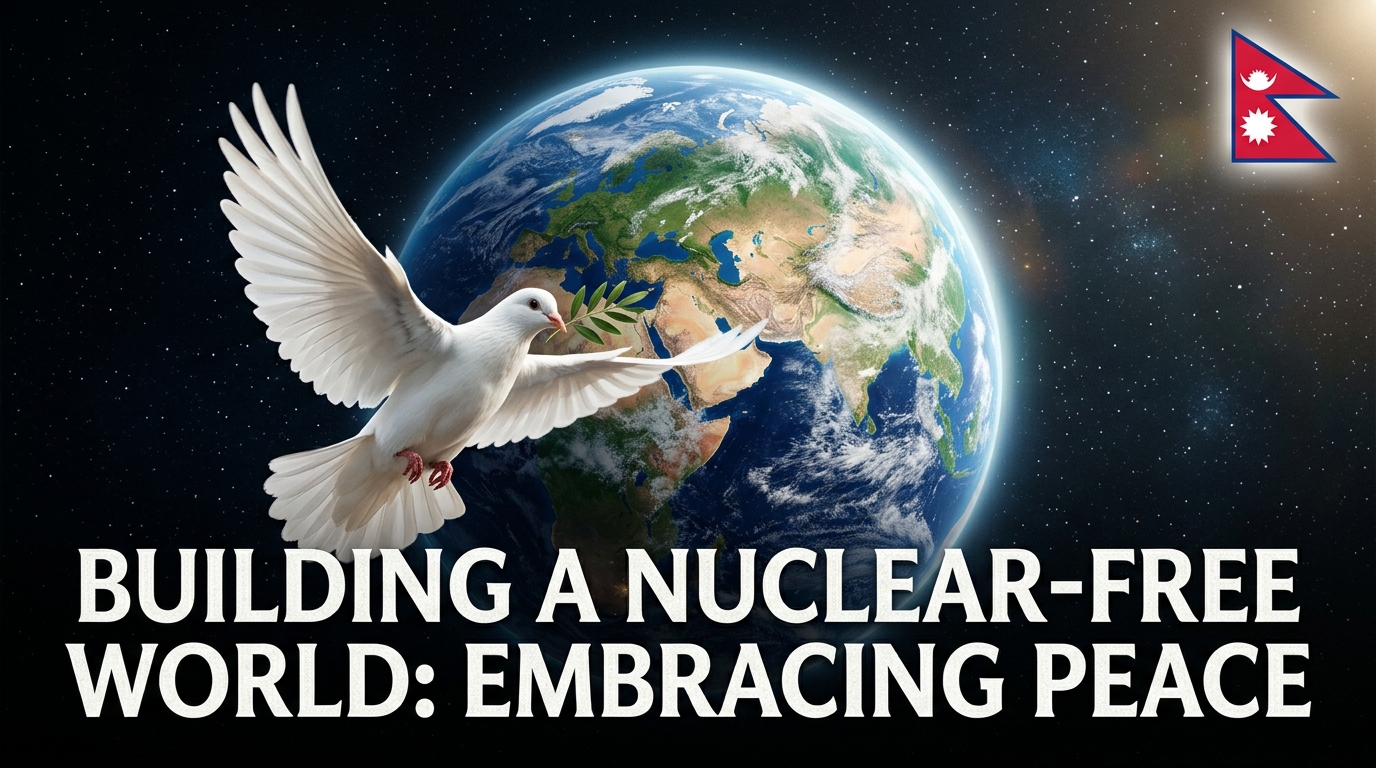
Imagine a world where children can grow up without the fear of nuclear war, families can live in peace, and countries solve their differences through dialogue instead of destruction. This is the vision behind the International Day for the Total Elimination of Nuclear Weapons.
Observed every year on 26 September, this international day reminds people and governments of the dangers posed by nuclear weapons. It also encourages countries to work together to build a safer and more peaceful world.
In a time when international tensions and military competition continue to raise concerns, this day carries an important message: peace and human life must always come first.
When Is the International Day for the Total Elimination of Nuclear Weapons?
The International Day for the Total Elimination of Nuclear Weapons is observed annually on 26 September.
The United Nations General Assembly established the day in December 2013 through Resolution 68/32. The first annual observance took place in 2014.
Its main purpose is to increase public awareness about the humanitarian dangers of nuclear weapons and encourage international efforts toward nuclear disarmament.
According to the United Nations, eliminating nuclear weapons remains a major global disarmament priority.
Why Is Nuclear Disarmament Important?
Nuclear weapons are among the most destructive weapons ever developed. Their use can cause massive loss of life, widespread destruction, long-term health problems and serious environmental damage.
Here are some major reasons why nuclear disarmament matters.
1. Protecting Human Life
A nuclear explosion can destroy entire communities and cause devastating injuries. Radiation exposure may also lead to long-term health consequences.
Eliminating these weapons would reduce the risk of a nuclear catastrophe and help protect future generations.
2. Maintaining Global Peace
Nuclear weapons can increase tensions between countries, especially during political or military conflicts. Miscommunication, accidents or mistaken decisions could have catastrophic consequences.
Diplomacy, peaceful negotiations and international cooperation can help reduce these risks.
3. Supporting Sustainable Development
Countries spend significant resources maintaining and modernizing their military capabilities. Greater international cooperation on disarmament could create opportunities to direct more resources toward education, healthcare, poverty reduction and sustainable development.
4. Protecting the Environment
A nuclear war could cause severe environmental damage. Radiation contamination and the destruction of ecosystems could affect agriculture, clean water supplies and human health for years.
Preventing nuclear conflict is therefore also an important part of protecting the planet.
History of the International Day for Nuclear Disarmament
The United Nations has worked on nuclear disarmament since its early years. In 1946, its first General Assembly resolution addressed the challenges associated with atomic energy and atomic weapons.
Over the following decades, countries developed international agreements to limit the spread of nuclear weapons and promote disarmament.
In 2013, the UN General Assembly declared 26 September the International Day for the Total Elimination of Nuclear Weapons. The observance began in 2014 and continues to encourage public education and international action.
One important international agreement is the Treaty on the Non-Proliferation of Nuclear Weapons (NPT), which entered into force in 1970. It aims to prevent the spread of nuclear weapons, promote peaceful uses of nuclear energy and advance nuclear disarmament.
Another major agreement is the Treaty on the Prohibition of Nuclear Weapons, adopted in 2017 and in force since 22 January 2021. It establishes prohibitions on nuclear weapons for countries that are parties to the treaty.
More information is available on the United Nations nuclear disarmament page.
Importance of Nuclear Disarmament for Nepal and India
Nuclear disarmament is not only an issue for powerful countries. It matters to people throughout South Asia, including Nepal and India.
Nepal has long emphasized peaceful coexistence, international cooperation and diplomacy. As a country located between India and China, Nepal has a strong interest in regional stability and peaceful relations among neighbouring countries.
India, meanwhile, is a nuclear-armed country. Its regional security environment includes complex relationships with neighbouring states, including Pakistan and China. Reducing tensions, maintaining communication and pursuing diplomatic solutions are important for regional peace.
A nuclear conflict anywhere in the region could have consequences beyond national borders. It could disrupt trade, agriculture, public health and the environment.
For ordinary people, the message is simple: peaceful cooperation is more valuable than the threat of destruction.
How Can We Observe This International Day?
Everyone can contribute to awareness and peaceful thinking. Here are some simple ways to observe the day:
- Learn about nuclear weapons: Read reliable information from the United Nations and other trusted organizations.
- Educate young people: Encourage schools and colleges to discuss peace, diplomacy and disarmament.
- Share awareness online: Publish informative posts, articles and videos about nuclear risks and peaceful solutions.
- Support dialogue: Encourage peaceful discussions and respect for different perspectives.
- Promote international cooperation: Learn how treaties and diplomatic efforts help reduce nuclear risks.
Even small educational activities can help people understand why global peace deserves attention.
Frequently Asked Questions (FAQ)
1. When is the International Day for the Total Elimination of Nuclear Weapons celebrated?
It is celebrated every year on 26 September. The United Nations General Assembly declared the observance in 2013, and it was first observed in 2014.
2. What is the main purpose of this international day?
Its main purpose is to raise awareness about the dangers of nuclear weapons and encourage countries to work toward their total elimination through international cooperation and disarmament.
3. Why is nuclear disarmament important for Nepal?
Nuclear disarmament matters to Nepal because regional stability supports public safety, economic development, environmental protection and peaceful relations among neighbouring countries.
Conclusion
The International Day for the Total Elimination of Nuclear Weapons reminds us that the future of humanity should not depend on fear, threats or weapons of mass destruction.
Governments have an important responsibility to reduce nuclear risks, honour international commitments and pursue peaceful solutions to conflicts. Citizens can also help by learning, sharing reliable information and encouraging dialogue.
A safer world begins with cooperation and a shared commitment to protecting human life.
What do you think countries should do to achieve a world free from nuclear weapons? Share your thoughts in the comments, share this article with others, and follow our website for more informative articles about international days, global awareness and important world events.


