


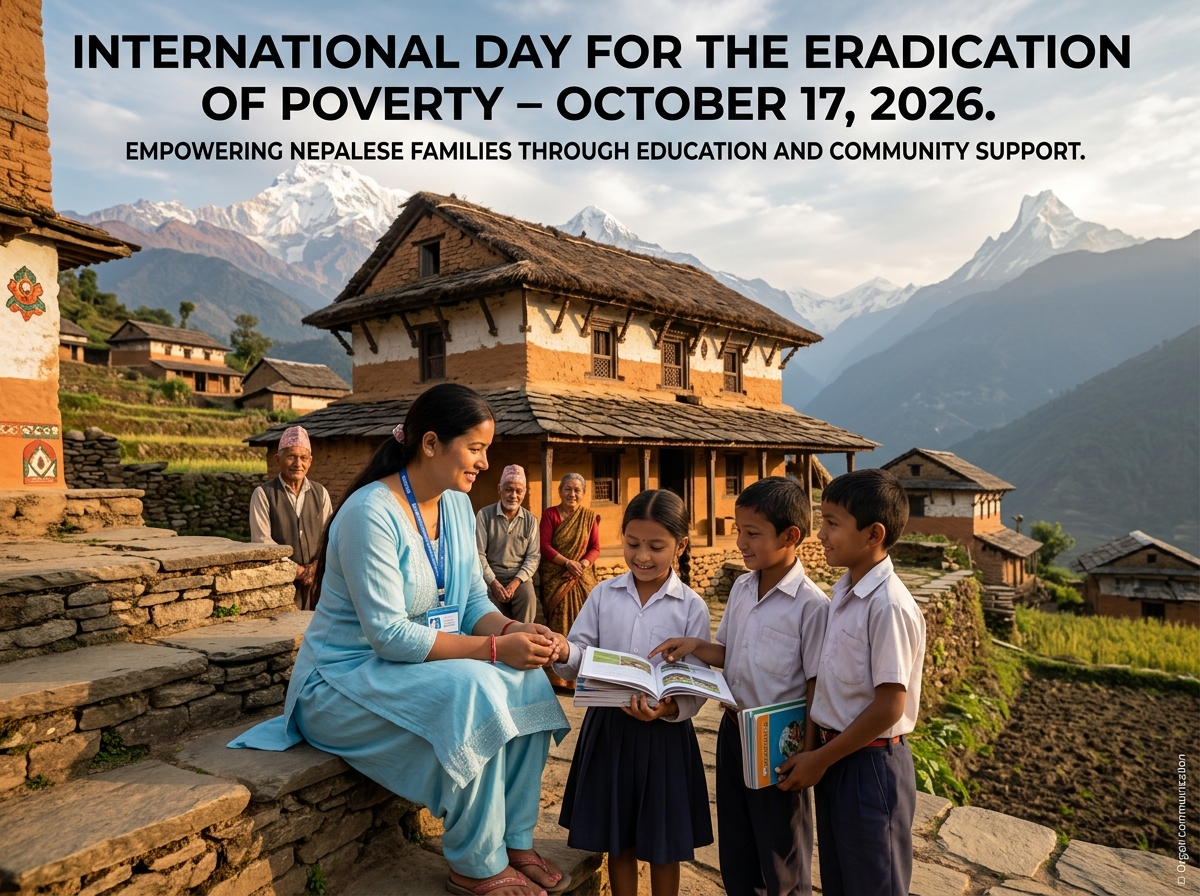
Introduction
Poverty is more than a lack of money. It can mean going to bed hungry, missing school because of financial problems, struggling to access healthcare, or living without a safe home. Millions of people around the world face these challenges every day.
The International Day for the Eradication of Poverty is observed every year on October 17 to raise awareness about poverty, inequality, and the need to protect the dignity and rights of every person.
In 2026, this important day falls on Saturday, October 17. It reminds governments, communities, and individuals that ending poverty requires collective action and long-term commitment.
What Is the International Day for the Eradication of Poverty?
The International Day for the Eradication of Poverty is a global observance established by the United Nations. It highlights the difficulties faced by people living in poverty and encourages action to create a fairer society.
The United Nations officially recognized the day in 1992, following an earlier gathering in Paris in 1987, when people came together to honour victims of extreme poverty, violence, and hunger.
The day promotes a simple but powerful message: everyone deserves access to basic needs, equal opportunities, and a life of dignity.
Why Is October 17 Important?
October 17 provides an opportunity to discuss the causes and consequences of poverty. It also encourages people to listen to those who experience poverty firsthand.
Poverty can affect many aspects of life, including:
- Education: Children may leave school because their families cannot afford educational expenses.
- Healthcare: People may struggle to pay for medicines, treatment, and nutritious food.
- Employment: A lack of stable jobs can make it difficult for families to meet basic needs.
- Housing: Poor families may live in unsafe or overcrowded homes.
- Social equality: Discrimination and unequal opportunities can make poverty harder to escape.
Ending poverty requires more than temporary financial assistance. People also need access to education, decent employment, healthcare, and social protection.
International Day for the Eradication of Poverty 2026: Theme
The official theme for the 2026 observance should be checked through the United Nations’ official website before publication. Avoid using an unverified theme in your article.
Each year, the observance draws attention to particular challenges connected to poverty, social justice, human rights, and sustainable development.
Regardless of the annual theme, the central message remains clear: people living in poverty must have a voice in decisions that affect their lives.
Poverty in Nepal: A Continuing Challenge
Nepal has made progress in areas such as education, healthcare, infrastructure, and poverty reduction. However, many families still face financial insecurity, particularly in remote communities and areas with limited employment opportunities.
For some households, seasonal work and low wages make it difficult to manage everyday expenses. Natural disasters, rising living costs, limited access to quality education, and a lack of stable jobs can make these problems worse.
How Does Poverty Affect Nepali Families?
In Nepal, poverty can influence daily life in several ways:
- Children may struggle to continue their education because of household expenses.
- Rural families may have limited access to hospitals and essential services.
- Young people may leave their communities to find employment elsewhere.
- Small farmers may face financial losses due to unpredictable weather and crop damage.
- Vulnerable households may struggle to recover after floods, landslides, or other disasters.
Reducing poverty in Nepal requires cooperation between the government, local communities, businesses, nonprofit organizations, and citizens.
Investing in public education, vocational training, healthcare, agriculture, small businesses, and local employment can help families build more secure futures.
What Are the Main Causes of Poverty?
Poverty does not have a single cause. It often develops through a combination of economic, social, and environmental challenges.
1. Unemployment and Low Income
Without reliable employment or sufficient wages, families may struggle to afford food, housing, education, and healthcare.
2. Lack of Quality Education
Education helps people develop skills and access better opportunities. When children cannot attend school, poverty can continue across generations.
3. Inequality and Discrimination
Discrimination based on social background, gender, disability, or other circumstances can limit access to jobs, education, and essential services.
4. Conflict and Natural Disasters
Wars, economic crises, earthquakes, floods, and landslides can destroy homes, disrupt employment, and push vulnerable families into poverty.
How Can We Help Eradicate Poverty?
Ending poverty is a shared responsibility. Although large-scale change requires effective policies, individual actions can also make a meaningful difference.
Here are five practical ways to contribute:
- Support education: Help children access school supplies, learning resources, and educational opportunities.
- Promote local businesses: Buy from local producers and support small entrepreneurs.
- Create employment opportunities: Encourage fair wages, vocational training, and skill development.
- Support vulnerable communities: Contribute responsibly to credible organizations working on food security, healthcare, and poverty reduction.
- Raise awareness: Share reliable information about poverty and encourage respectful discussions about possible solutions.
Governments also play a major role by improving public services, expanding social protection, reducing inequality, and creating opportunities for decent work.
Connection Between Poverty Eradication and Sustainable Development
The United Nations’ Sustainable Development Goals include Goal 1: No Poverty. Its purpose is to end poverty in all its forms everywhere.
Poverty reduction is closely connected to other development goals, including zero hunger, quality education, good health, gender equality, and decent work.
When communities have access to these essential services and opportunities, people are better equipped to improve their living conditions and contribute to society.
Conclusion
The International Day for the Eradication of Poverty 2026 is an important reminder that poverty is not simply an individual’s problem. It is a social challenge that requires understanding, cooperation, and practical solutions.
From improving education and healthcare in Nepal to creating decent jobs and protecting vulnerable communities, every meaningful step can help build a more equal future.
A poverty-free society begins when everyone has the opportunity to live with dignity, security, and hope.
What do you think is the most effective way to reduce poverty in Nepal? Share your thoughts in the comments, share this article to raise awareness, and subscribe to our website for more informative articles about important international days and social issues.
Frequently Asked Questions (FAQs)
1. When is the International Day for the Eradication of Poverty celebrated?
It is observed every year on October 17. In 2026, it falls on Saturday.
2. What is the purpose of the International Day for the Eradication of Poverty?
Its purpose is to raise awareness about poverty, promote human dignity and social justice, and encourage action to improve the lives of people experiencing poverty.
3. How can we help reduce poverty in Nepal?
We can support education, promote local employment, encourage skill development, support responsible community initiatives, and advocate for fair access to healthcare and other essential services.


