


Introduction
Every woman and girl deserves to live with dignity, freedom, and safety. However, violence against women remains a serious problem in many parts of the world. It can happen at home, in the workplace, in public places, and even online.
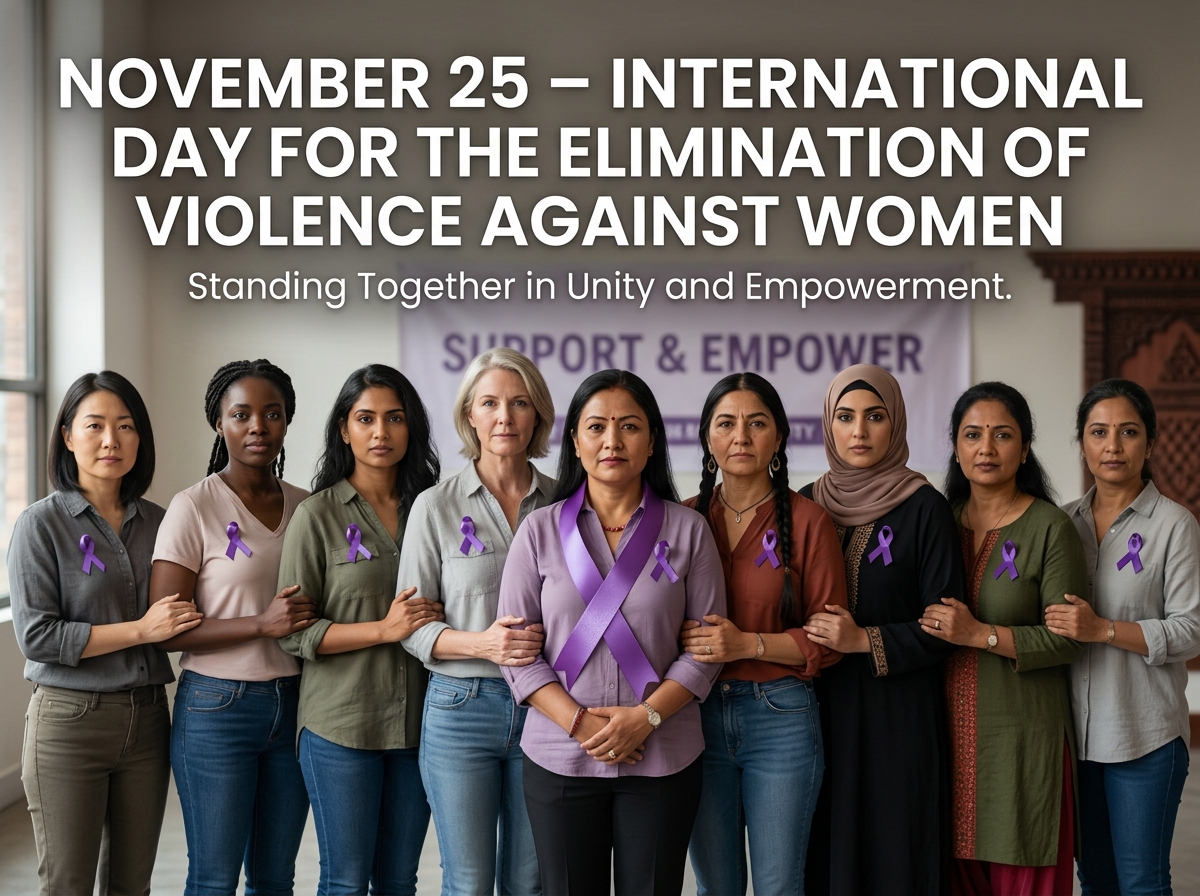
The International Day for the Elimination of Violence against Women is observed every year on November 25 to raise awareness about this issue and encourage action to prevent abuse, discrimination, and gender-based violence.
The day reminds us that ending violence is not only the responsibility of governments or organizations. Families, communities, educational institutions, and individuals all have a role to play.
When Is the International Day for the Elimination of Violence against Women 2026?
In 2026, the International Day for the Elimination of Violence against Women will be observed on Wednesday, November 25, 2026.
The United Nations established this international observance to encourage global efforts to prevent violence against women and girls. It also marks the beginning of the annual 16 Days of Activism against Gender-Based Violence campaign, which runs from November 25 to December 10, Human Rights Day.
History of the International Day for the Elimination of Violence against Women
The history of this day is connected to the struggle for women’s rights and justice.
On November 25, 1960, three Dominican political activists—Patria, Minerva, and María Teresa Mirabal—were murdered because of their opposition to the dictatorship of Rafael Trujillo in the Dominican Republic.
In 1981, women’s rights activists began observing November 25 as a day to raise awareness about violence against women. In 1999, the United Nations General Assembly officially designated November 25 as the International Day for the Elimination of Violence against Women.
Since then, governments, civil society organizations, and communities around the world have used this day to promote equality, protect survivors, and call for stronger action against gender-based violence.
Why Is This Day Important?
Violence against women is not limited to physical assault. It can take many forms and affect a person’s health, confidence, education, employment, and freedom.
The International Day for the Elimination of Violence against Women is important for several reasons.
1. Raising Public Awareness
Many survivors remain silent because they fear social judgment, threats, or rejection. Awareness campaigns help people recognize abuse and understand that violence is never acceptable.
2. Protecting Women’s Rights
Every woman has the right to live free from violence and discrimination. This day encourages governments and institutions to strengthen laws, improve protection services, and ensure access to justice.
3. Supporting Survivors
Survivors need safety, emotional support, healthcare, legal assistance, and opportunities to rebuild their lives. Society should listen without blaming or judging them.
4. Encouraging Gender Equality
Gender inequality can contribute to harmful attitudes and unequal power relationships. Promoting equal opportunities, respect, and shared responsibility helps build safer communities.
Types of Violence against Women
Violence can take different forms, and some types may be difficult to recognize.
- Physical violence: Hitting, beating, or causing bodily harm.
- Sexual violence: Sexual assault, harassment, or any sexual activity without consent.
- Emotional and psychological abuse: Threats, humiliation, intimidation, or controlling behavior.
- Economic abuse: Restricting access to money, employment, or essential resources.
- Domestic violence: Abuse committed by a spouse, partner, family member, or someone within the household.
- Digital violence: Online harassment, stalking, threats, or sharing private images without consent.
- Human trafficking and harmful practices: Exploitation, forced marriage, and other forms of abuse that violate women’s rights.
Recognizing these forms of violence is an important step toward prevention.
Violence against Women in Nepal
In Nepal, violence against women remains a significant social concern. Domestic abuse, child marriage, sexual harassment, trafficking, and harmful traditional practices can affect women and girls in different communities.
Although Nepal has legal protections and organizations working to support survivors, barriers such as social stigma, financial dependence, fear, and limited access to services can prevent people from seeking help.
Families and communities can make a difference by challenging harmful traditions, supporting girls’ education, encouraging financial independence, and treating survivors with respect.
People who experience violence should not be blamed for what happened to them. Responsibility belongs to the person who commits the abuse.
For reliable information about women’s rights and support services, readers can consult the National Women Commission of Nepal and the United Nations Population Fund.
How Can We Help Eliminate Violence against Women?
Ending violence requires consistent action, not just one day of awareness.
Here are some practical steps everyone can take:
- Educate yourself and others: Learn about consent, equality, healthy relationships, and different forms of abuse.
- Speak against harmful behavior: Challenge victim-blaming, harassment, and jokes that normalize violence.
- Support survivors: Listen respectfully, protect their privacy, and help them access appropriate services.
- Teach children about respect: Encourage boys and girls to value equality, personal boundaries, and non-violent communication.
- Promote women’s education and independence: Equal access to education, employment, and financial resources can strengthen women’s choices.
- Report abuse safely: Seek assistance from appropriate authorities or support organizations when someone is at risk.
- Encourage responsible online behavior: Never participate in cyberbullying, threats, or the non-consensual sharing of private content.
Small actions can contribute to a wider culture of respect and safety.
Role of Governments and Communities
Governments must enforce laws, investigate complaints fairly, protect survivors, and ensure access to justice. Schools and workplaces should establish clear policies against harassment and abuse.
Healthcare providers, community leaders, journalists, and civil society organizations can also help by sharing accurate information and connecting survivors with support services.
Most importantly, prevention efforts should include men and boys as partners in promoting equality and rejecting violence.
Frequently Asked Questions (FAQs)
1. When is the International Day for the Elimination of Violence against Women celebrated?
It is observed every year on November 25. In 2026, it falls on Wednesday, November 25.
2. What is the main purpose of this international day?
Its main purpose is to raise awareness, encourage action, protect women’s rights, support survivors, and help prevent all forms of violence against women and girls.
3. How can individuals help stop violence against women?
Individuals can challenge harmful attitudes, promote gender equality, support survivors without judgment, teach children about respect, and report abuse through appropriate and safe channels.
Conclusion
The International Day for the Elimination of Violence against Women reminds us that safety, dignity, and equality are basic human rights. No woman or girl should have to live in fear at home, at work, at school, or online.
Building a safer society requires awareness, effective laws, community support, and a willingness to challenge harmful behavior. Every person can contribute by showing respect, speaking up against abuse, and supporting those who need help.
What steps do you think Nepal should take to make women and girls safer? Share your thoughts in the comments, share this article to spread awareness, and subscribe to our website for more informative articles.


