
Introduction
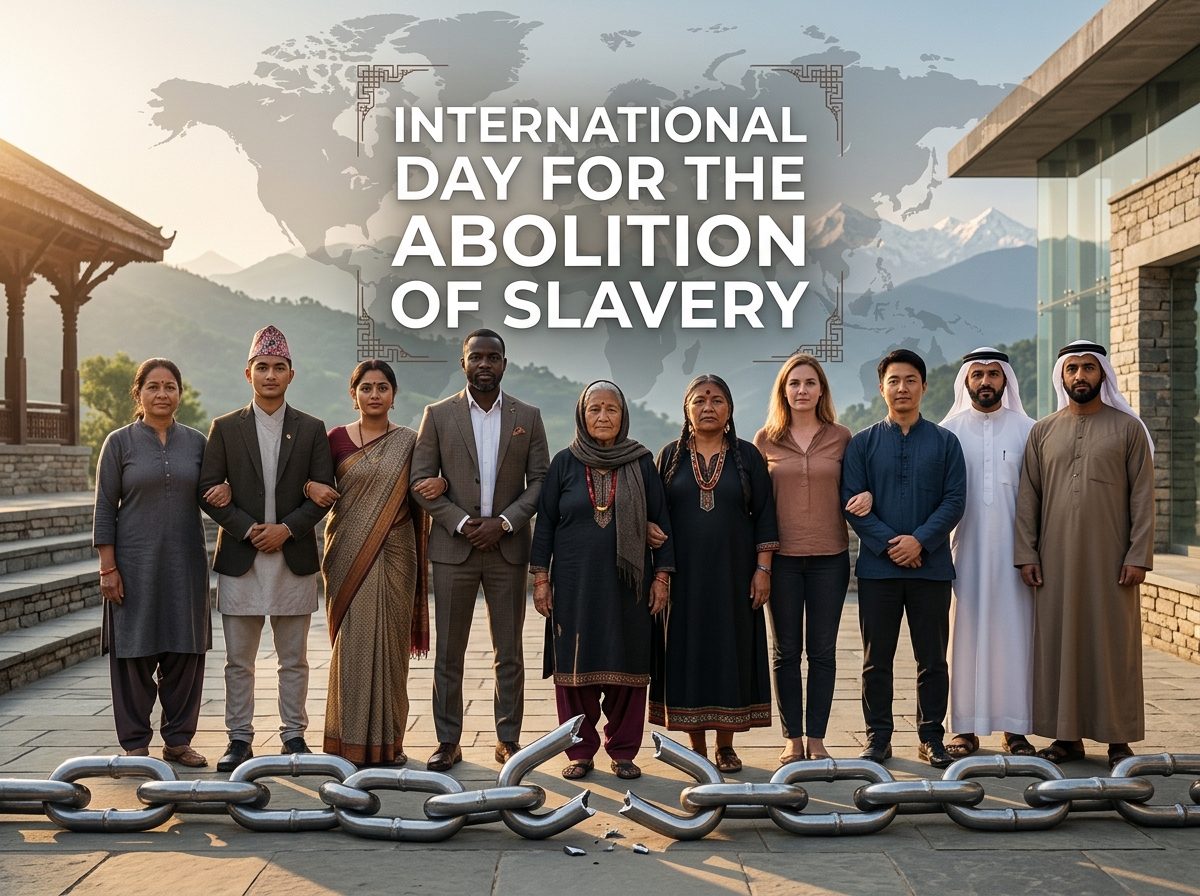
Freedom is a basic human right. Every person deserves to live with dignity, make their own choices, and enjoy equal opportunities. Yet millions of people around the world continue to face exploitation, forced labour, human trafficking, and other forms of modern slavery.
The International Day for the Abolition of Slavery reminds us that slavery has not disappeared completely. Although traditional slavery has been legally abolished in most countries, many people still live under conditions that take away their freedom.
Observed every year on December 2, this international day encourages governments, organisations, and individuals to work together to end slavery in all its forms.
When Is International Day for the Abolition of Slavery 2026?
The International Day for the Abolition of Slavery is observed annually on December 2. In 2026, it falls on Wednesday, December 2.
The United Nations established this observance to highlight the need to eliminate slavery, human trafficking, forced labour, and other serious violations of human rights.
The date is associated with the adoption of the United Nations Convention for the Suppression of the Traffic in Persons and of the Exploitation of the Prostitution of Others on December 2, 1949.
History of the International Day for the Abolition of Slavery
Slavery has existed in different societies throughout history. Enslaved people were often forced to work without payment, separated from their families, and denied basic human rights.
Over time, abolition movements, social reformers, and human rights activists challenged these practices. Many countries introduced laws to abolish slavery, but exploitation continued in different forms.
On December 2, 1949, the United Nations adopted a convention addressing human trafficking and the exploitation of prostitution. The international observance draws attention to the continuing struggle against slavery and human exploitation.
Today, the day serves as a reminder that legal protections alone are not enough. Effective enforcement, public awareness, education, and support for survivors are also necessary.
Why Is the International Day for the Abolition of Slavery Important?
The International Day for the Abolition of Slavery is important for several reasons.
1. Raising Awareness About Modern Slavery
Many people associate slavery only with historical events. However, modern slavery can occur in homes, factories, farms, construction sites, and other workplaces.
Raising awareness helps people recognise exploitation and understand how to seek assistance.
2. Fighting Human Trafficking
Human trafficking involves exploiting people through force, fraud, coercion, or other prohibited means. Victims may be deceived with false promises of employment, education, or a better life.
Public awareness can help people identify suspicious recruitment practices and protect vulnerable individuals.
3. Protecting Workers’ Rights
Every worker deserves fair treatment, safe working conditions, and freedom from coercion. Strong labour protections can help prevent forced labour and other forms of exploitation.
4. Supporting Survivors
People who escape slavery may need shelter, healthcare, legal assistance, education, and employment opportunities. Supporting survivors helps them rebuild their lives with dignity and independence.
What Is Modern Slavery?
Modern slavery is a broad term used to describe situations in which people cannot refuse or leave exploitation because of threats, violence, coercion, deception, or abuse of power.
Common forms include:
- Forced labour: Making people work against their will under threats or coercion.
- Human trafficking: Recruiting, transporting, or exploiting people through prohibited means for exploitative purposes.
- Debt bondage: Forcing people to work to repay debts under unfair or coercive conditions.
- Forced marriage: Situations in which a person cannot freely consent to marriage.
- Child exploitation: Subjecting children to exploitative labour or other abusive practices.
These practices violate human dignity and can cause long-lasting physical, emotional, and economic harm.
Modern Slavery in Nepal and South Asia
In Nepal and across South Asia, poverty, unsafe migration, unemployment, and deceptive recruitment can increase people’s vulnerability to exploitation.
Some workers may accept overseas employment after receiving false promises about salaries, working conditions, or legal documentation. Others may face exploitation in domestic work, agriculture, construction, or informal employment.
Children and people from economically disadvantaged communities can also face greater risks when they lack access to education, protection, and reliable information.
Nepal can help address these challenges through public awareness, effective law enforcement, safer migration systems, labour rights education, and support for survivors.
Individuals should verify foreign employment opportunities through official channels and avoid handing over passports or documents to unverified recruiters without understanding their rights and the applicable procedures.
How Can We Help End Slavery?
Ending slavery requires action from governments, businesses, communities, and individuals.
Here are some practical steps everyone can take:
- Learn the warning signs: Understand how forced labour and human trafficking operate.
- Verify job offers: Check recruitment agencies, employment contracts, and official migration requirements.
- Support ethical businesses: Prefer businesses that respect workers’ rights and maintain responsible supply chains.
- Report suspected exploitation safely: Contact the relevant authorities or trusted support organisations when you suspect abuse.
- Protect vulnerable people: Help children and disadvantaged communities access education, information, and support.
- Share reliable information: Use social media and community discussions to raise awareness without spreading unverified claims.
Small actions can contribute to a larger movement for freedom, equality, and justice.
Frequently Asked Questions (FAQs)
1. When is the International Day for the Abolition of Slavery observed?
It is observed every year on December 2. In 2026, the day falls on Wednesday, December 2.
2. What is the main purpose of this international day?
Its main purpose is to raise awareness about slavery and exploitation and encourage efforts to eliminate practices such as forced labour, human trafficking, and other forms of modern slavery.
3. Does slavery still exist today?
Yes. Although traditional slavery has been legally abolished in most countries, modern forms of slavery and exploitation continue to affect people worldwide.
Conclusion
The International Day for the Abolition of Slavery is more than a date on the calendar. It is a reminder that freedom, dignity, and equal rights must be protected for everyone.
Modern slavery may not always be visible, but its consequences are real. Through education, responsible choices, stronger protections, and collective action, we can help create a world where nobody is forced to live or work against their will.
What do you think is the most effective way to fight modern slavery? Share your thoughts in the comments, share this article to raise awareness, and follow our website for more informative articles on international observances and human rights.