
Introduction
Peace is essential for a better world. However, conflicts between countries, political disagreements, and international tensions continue to affect millions of people. In such a situation, neutrality can play an important role in encouraging dialogue and peaceful solutions.
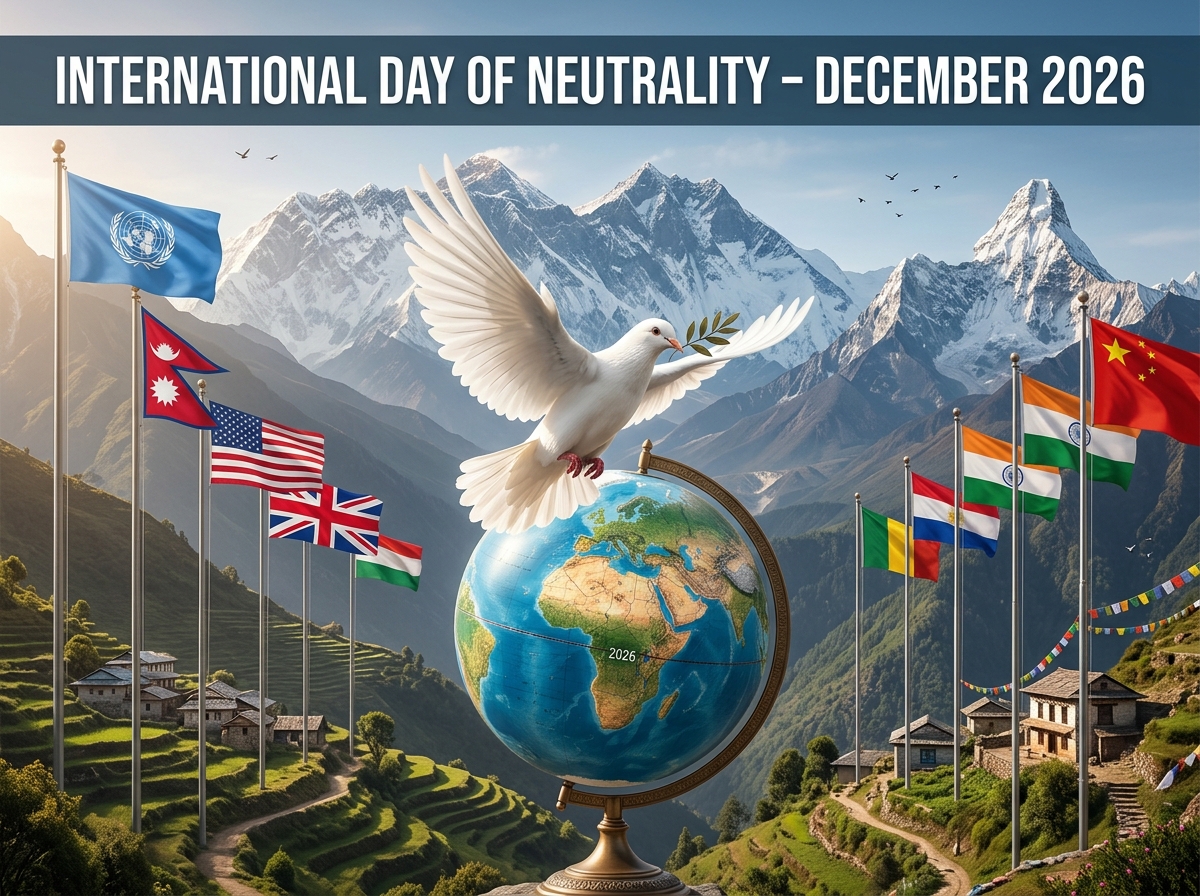
The International Day of Neutrality is observed every year on 12 December. This international observance highlights the importance of neutrality in preventing conflicts, promoting peaceful relations, and supporting cooperation among nations.
The day also reminds us that countries can resolve disagreements through diplomacy, mutual respect, and dialogue rather than violence.
When Is International Day of Neutrality 2026?
The International Day of Neutrality 2026 will be observed on Saturday, 12 December 2026.
The United Nations established this observance to raise awareness about the importance of neutrality in international relations. It encourages countries to respect international law, maintain peaceful relations, and support efforts to prevent conflicts.
The day is particularly relevant in a world where political rivalries and armed conflicts can affect regional and global stability.
History of International Day of Neutrality
The United Nations General Assembly proclaimed 12 December as the International Day of Neutrality in 2017 through Resolution 71/275.
The initiative was introduced by Turkmenistan, a country that has made permanent neutrality an important part of its foreign policy.
Turkmenistan received international recognition for its permanent neutrality status in 1995. Its experience helped bring greater attention to neutrality as a possible approach to promoting peaceful international relations.
The United Nations later recognized the importance of neutrality in supporting preventive diplomacy and maintaining international peace and security.
What Is the Meaning of Neutrality?
Neutrality generally means not taking sides in a dispute or conflict between other parties. In international relations, it can involve a country’s decision to remain outside a conflict and maintain relations according to its legal obligations and foreign policy.
However, neutrality does not mean ignoring suffering or refusing to support peace.
A neutral country can still encourage negotiations, provide humanitarian assistance, and support peaceful solutions. The exact rights and responsibilities of a neutral state depend on international law and the circumstances involved.
Why Is International Day of Neutrality Important?
1. Promotes Peaceful Conflict Resolution
Neutrality can help create opportunities for dialogue between countries that disagree. Neutral states may sometimes provide a trusted location for negotiations or help conflicting parties communicate.
2. Supports Preventive Diplomacy
Preventive diplomacy aims to stop disagreements from developing into serious conflicts. Neutrality can support these efforts by encouraging communication, negotiation, and mutual understanding.
3. Encourages International Cooperation
Global challenges such as climate change, poverty, public health emergencies, and natural disasters require countries to work together. Peaceful international relations make cooperation easier.
4. Highlights the Importance of Humanitarian Assistance
Armed conflicts often leave civilians facing hunger, displacement, and shortages of basic necessities. Humanitarian organizations work to provide assistance based on need, helping people affected by emergencies regardless of their nationality.
5. Strengthens Respect for International Law
Neutrality operates within a broader framework of international law. Understanding the legal responsibilities of states can help promote accountability, reduce misunderstandings, and protect international peace and security.
Role of Nepal in Promoting Peace and Neutrality
Nepal has a long-standing tradition of maintaining diplomatic relations with countries around the world. Its foreign policy emphasizes independence, peaceful coexistence, non-interference, and cooperation.
Nepal’s location between India and China makes balanced diplomacy particularly important. Maintaining constructive relations with both neighboring countries supports Nepal’s economic development, regional cooperation, and national interests.
Nepal is also an active participant in United Nations peacekeeping operations. Nepali peacekeepers have contributed to international efforts to protect civilians, support peace agreements, and maintain stability in conflict-affected areas.
Although Nepal’s foreign policy should not automatically be equated with the legal status of permanent neutrality, its diplomatic and peacekeeping activities provide meaningful examples of peaceful international engagement.
How Can We Observe International Day of Neutrality?
Individuals, schools, colleges, and organizations can mark the day in simple but meaningful ways.
- Organize awareness programs: Discuss peace, diplomacy, and conflict prevention in schools and communities.
- Share educational content: Publish informative articles, posters, and social media messages about neutrality.
- Encourage respectful dialogue: Promote listening, understanding, and peaceful disagreement.
- Learn about the United Nations: Explore its work in peacekeeping, mediation, and humanitarian assistance.
- Support peace initiatives: Participate in community activities that encourage inclusion and cooperation.
Even small efforts to reduce hostility and encourage understanding can contribute to a more peaceful society.
Frequently Asked Questions (FAQs)
1. When is International Day of Neutrality celebrated?
International Day of Neutrality is observed every year on 12 December. In 2026, it falls on Saturday.
2. Why did the United Nations establish International Day of Neutrality?
The United Nations established the day to highlight neutrality’s role in preventive diplomacy, peaceful international relations, and the maintenance of international peace and security.
3. Is Nepal a permanently neutral country?
Nepal promotes peaceful coexistence, independent foreign policy, and international cooperation. However, it should not be described as a permanently neutral state in the same legal sense as countries with an internationally recognized permanent neutrality status.
Conclusion
The International Day of Neutrality reminds us that peace requires communication, understanding, and a willingness to resolve disagreements without violence. Neutrality can contribute to these goals when practiced in accordance with international law and supported by meaningful diplomatic efforts.
For Nepal and the wider world, peaceful relations are important for security, development, and cooperation. Governments, communities, and individuals all have a role in building a future where dialogue is preferred over conflict.
What does neutrality mean to you, and how can Nepal contribute to global peace? Share your thoughts in the comments and share this article with others to spread awareness about the International Day of Neutrality.