


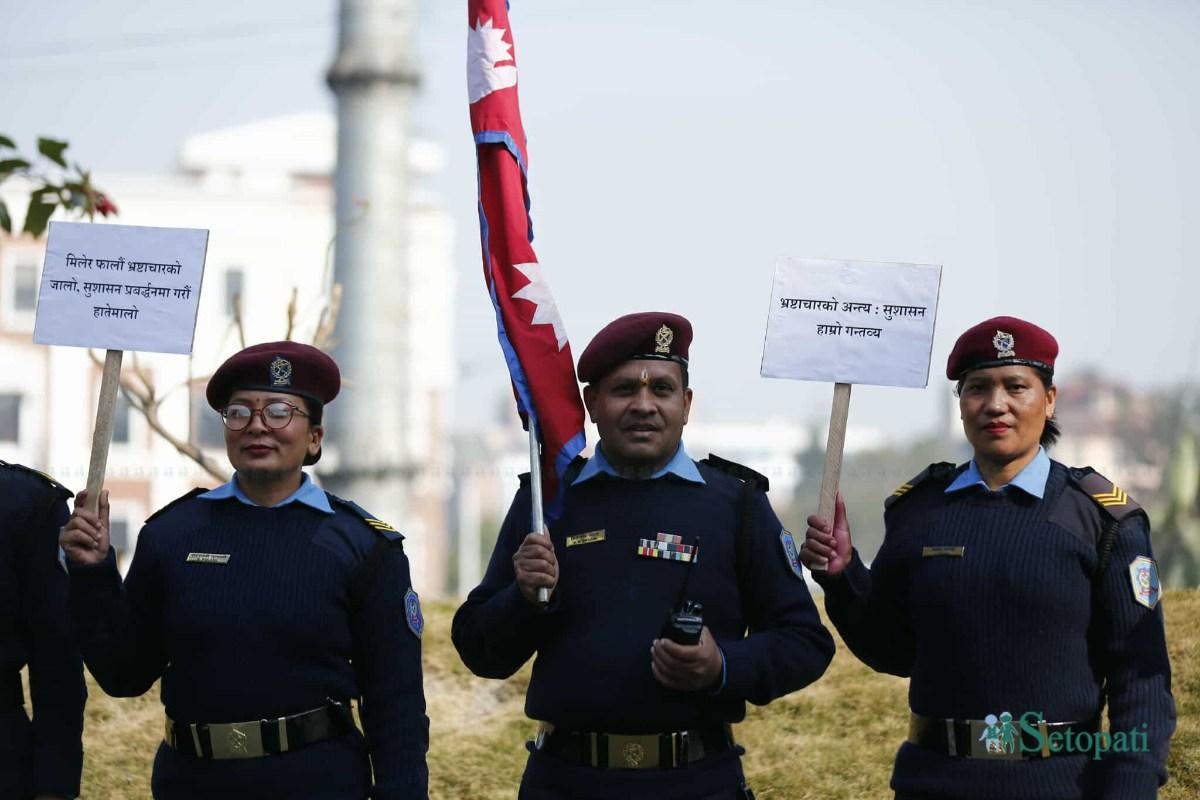
Introduction
Corruption is one of the biggest obstacles to a fair, transparent, and developed society. It weakens public trust, wastes government resources, and creates difficulties for ordinary people. From bribery in public offices to misuse of public funds, corruption can affect almost every part of society.
International Anti-Corruption Day reminds people around the world that fighting corruption is a shared responsibility. Governments, businesses, communities, and individuals all have a role in building a more honest and accountable society.
The day is especially important for countries like Nepal, where transparency, good governance, and accountability remain essential for sustainable development.
When Is International Anti-Corruption Day 2026?
International Anti-Corruption Day is observed every year on December 9. In 2026, it falls on Wednesday, December 9.
The United Nations established this international observance after the adoption of the United Nations Convention against Corruption (UNCAC) on October 31, 2003. The convention provides an international framework for preventing corruption, improving accountability, and supporting cooperation between countries.
The day encourages people to understand the harmful effects of corruption and take practical steps to prevent it.
Why Is International Anti-Corruption Day Important?
Corruption is not limited to the exchange of money for illegal favors. It can also involve abuse of power, favoritism, embezzlement, fraud, and the misuse of public resources for private benefit.
International Anti-Corruption Day highlights several important issues.
1. Promotes Transparency and Accountability
Transparency helps people understand how public money is collected and spent. Accountability ensures that officials and institutions answer for their decisions and actions.
When public institutions work transparently, people can place greater trust in them.
2. Protects Public Money
Money lost through corruption could otherwise support schools, hospitals, roads, drinking water projects, and other essential services.
Preventing corruption helps ensure that public resources reach the people who need them.
3. Supports Economic Development
Corruption can discourage investment, increase business costs, and create unfair competition. A transparent system gives businesses and entrepreneurs a fairer opportunity to grow.
4. Protects Equality and Justice
Corruption often affects disadvantaged communities the most. People with limited financial resources may face greater difficulties accessing services when bribery or favoritism becomes common.
Reducing corruption helps promote equal opportunities and fair treatment.
Corruption in Nepal: Why Awareness Matters
In Nepal, corruption and good governance are important public concerns. Citizens may encounter problems such as demands for unofficial payments, favoritism in services, irregularities in public projects, or a lack of transparency in administrative processes.
However, it is important not to assume that every public official or institution is corrupt. Many people work honestly to serve their communities.
Nepal needs effective institutions, clear procedures, independent oversight, and public participation to reduce corruption. Citizens can also contribute by asking for official receipts, using lawful complaint channels, checking public information, and refusing to participate in bribery.
International Anti-Corruption Day offers an opportunity for Nepali communities, schools, colleges, and public institutions to discuss practical solutions and promote integrity.
How Can We Fight Corruption in Everyday Life?
Fighting corruption requires more than speeches and awareness campaigns. Small, consistent actions can help create a culture of honesty.
Here are five practical steps individuals can take:
- Refuse to offer or accept bribes. Use official procedures and payment channels whenever possible.
- Report suspected wrongdoing responsibly. Contact the appropriate authority and provide factual information or evidence where available.
- Demand transparency. Ask for official receipts, published fees, and clear explanations of administrative decisions.
- Teach honesty to young people. Families and schools can encourage integrity, fairness, and respect for public property.
- Use digital services where appropriate. Online applications, electronic payments, and trackable records can reduce some opportunities for bribery, although technology alone cannot eliminate corruption.
People should avoid spreading unverified allegations on social media. Responsible reporting and evidence-based complaints are more helpful than rumors.
The Role of Government and Institutions
Individuals cannot solve corruption alone. Governments and institutions must establish strong systems that prevent wrongdoing and hold offenders accountable.
Important measures include:
- Enforcing anti-corruption laws fairly.
- Protecting the independence of oversight institutions.
- Making public procurement and government spending more transparent.
- Protecting lawful whistleblowing and complaint processes.
- Improving access to public information.
- Investigating credible allegations through fair legal procedures.
In Nepal, the Commission for the Investigation of Abuse of Authority (CIAA) is a key constitutional body responsible for investigating corruption and abuse of authority within its jurisdiction. Citizens can consult its official website for information about its role and complaint procedures.
How Schools, Colleges, and Young People Can Help
Young people have an important role in shaping the future of society. Schools and colleges can observe International Anti-Corruption Day through essay competitions, debates, speeches, poster-making activities, and awareness programs.
Students can also discuss real-life examples of honesty, responsible leadership, and the importance of protecting public resources.
Social media can help spread awareness, too. Sharing verified information and encouraging respectful discussion can reach people who might not otherwise learn about anti-corruption initiatives.
The goal is not simply to criticize corruption but to promote a culture where honesty and accountability are valued.
Global Efforts to Prevent Corruption
The United Nations Convention against Corruption is a major international agreement designed to help countries prevent corruption, criminalize relevant conduct, strengthen law enforcement, recover stolen assets, and improve international cooperation.
The United Nations Office on Drugs and Crime (UNODC) supports the convention and promotes international anti-corruption efforts.
International cooperation matters because corruption can involve financial transactions, businesses, and assets across national borders.
For meaningful progress, countries need effective laws, responsible institutions, public awareness, and cooperation between governments and citizens.
Frequently Asked Questions (FAQs)
1. When is International Anti-Corruption Day celebrated?
International Anti-Corruption Day is observed every year on December 9. In 2026, it falls on Wednesday, December 9.
2. Why do we celebrate International Anti-Corruption Day?
The day raises awareness about the harmful effects of corruption and encourages governments, organizations, and individuals to promote transparency, integrity, accountability, and good governance.
3. Which organization investigates corruption in Nepal?
The Commission for the Investigation of Abuse of Authority (CIAA) is a key constitutional body in Nepal that investigates corruption and abuse of authority within its legal jurisdiction.
Conclusion
International Anti-Corruption Day is a reminder that a fair society depends on honesty, transparency, and accountability. Corruption can damage public services, weaken institutions, and reduce opportunities for ordinary people, but responsible action can help prevent it.
In Nepal and around the world, governments must enforce the law fairly, institutions must remain accountable, and citizens must support honest practices.
Fighting corruption starts with everyday choices. Refuse bribery, respect public resources, share verified information, and encourage others to act honestly.
What do you think is the most effective way to reduce corruption in Nepal? Share your thoughts in the comments, share this article to raise awareness, and follow our website for more informative articles.


