


Introduction
Food is one of the basic needs of every human being. It gives us energy, supports our health, and helps us live an active life. Yet, many people around the world still struggle to get enough nutritious food every day.
World Food Day is observed every year on October 16 to raise awareness about hunger, food security, nutrition, and sustainable agriculture. It reminds us that access to safe and nutritious food should not be a privilege but a basic right for everyone.
In Nepal, where agriculture supports the livelihoods of millions of people, this day also highlights the importance of supporting farmers, reducing food waste, and making nutritious food available to every family.
When Is World Food Day 2026?
World Food Day 2026 will be observed on Friday, October 16, 2026.
The day marks the founding of the Food and Agriculture Organization (FAO) of the United Nations on October 16, 1945.
World Food Day was established in 1979 and has been observed worldwide since 1981. Today, it brings together governments, farmers, organizations, schools, and communities to address global food challenges.
What Is the Theme of World Food Day 2026?
The official theme for World Food Day 2026 should be confirmed through the FAO’s official website before publication.
Every year, the campaign focuses on an important issue related to food systems, agriculture, nutrition, or hunger. Its purpose is to encourage people and governments to work together toward a world where everyone has access to sufficient, safe, and nutritious food.
For the latest announcement, visit the official FAO World Food Day website.
Why Is World Food Day Important?
World Food Day is more than an international observance. It draws attention to problems that affect millions of families and encourages practical solutions.
1. Raising Awareness About Hunger
Hunger remains a serious global challenge. Poverty, conflict, natural disasters, and rising food prices can prevent families from getting enough food.
World Food Day encourages governments and communities to take meaningful action so that fewer people go hungry.
2. Supporting Farmers
Farmers play a major role in feeding the world. However, many small-scale farmers face challenges such as unpredictable weather, expensive fertilizers, limited irrigation, and low market prices.
Supporting local farmers, improving agricultural technology, and ensuring fair prices can help strengthen food production.
3. Promoting Healthy Nutrition
Eating enough food is important, but food quality matters too. A healthy diet includes a variety of vegetables, fruits, grains, pulses, and other nutritious foods.
World Food Day reminds families to make balanced meals a priority, especially for children and older adults.
4. Reducing Food Waste
Food waste is another major concern. Food thrown away at homes, restaurants, shops, and markets also wastes the water, energy, land, and labor used to produce it.
Planning meals, storing food correctly, and serving reasonable portions are simple ways to reduce waste.
World Food Day in Nepal: Challenges and Opportunities
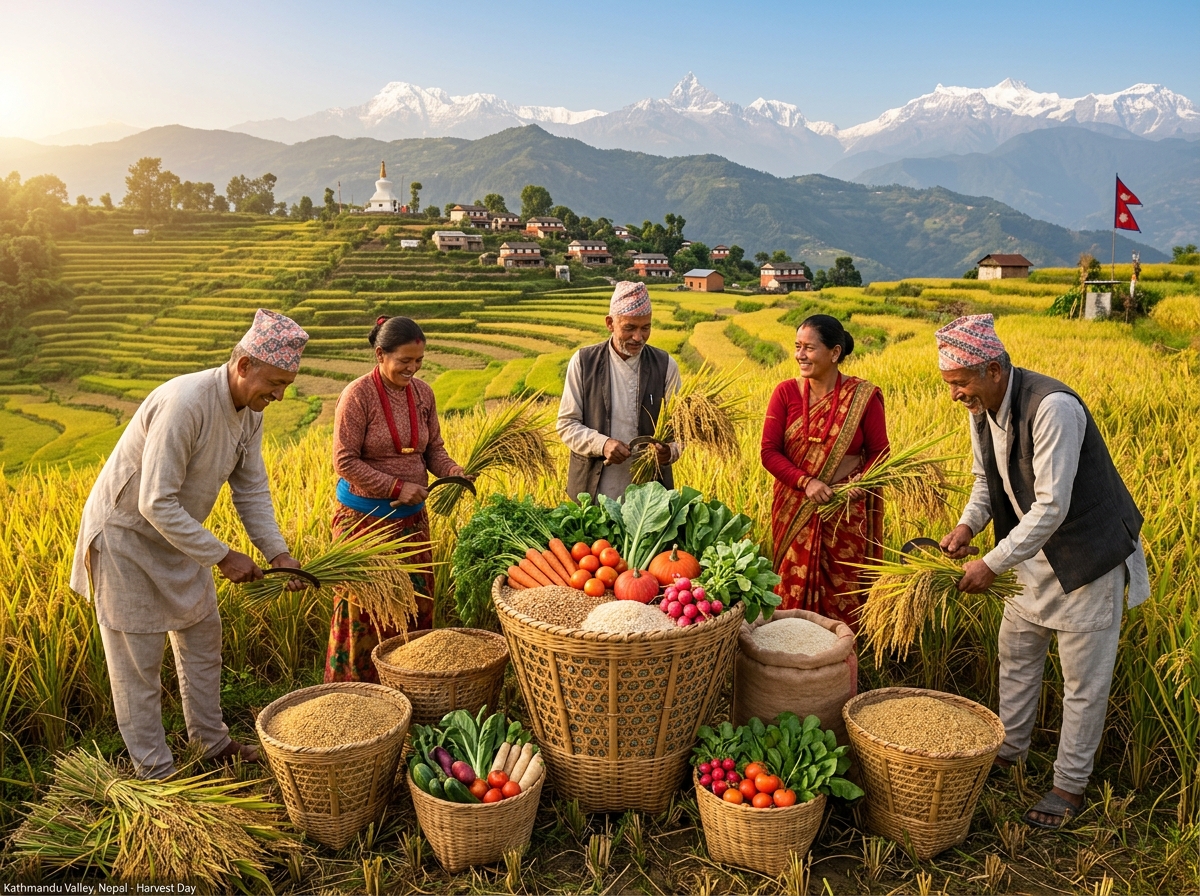
Agriculture is an important part of Nepal’s economy and rural life. Rice, maize, wheat, vegetables, fruits, and lentils are essential foods for many Nepali households.
However, Nepal faces several food-related challenges.
- Climate change: Irregular rainfall, droughts, floods, and other extreme weather events can damage crops.
- Limited irrigation: Some farming areas still depend heavily on seasonal rainfall.
- Food losses: Poor storage, transportation difficulties, and inadequate facilities can lead to post-harvest losses.
- Nutrition concerns: Some families have limited access to diverse and nutritious foods.
- Market challenges: Small farmers may struggle to reach reliable markets and receive fair prices.
Nepal can improve food security by investing in irrigation, modern farming methods, better storage facilities, local markets, and nutrition education.
Consumers can also help by buying seasonal produce, supporting local farmers, and avoiding unnecessary food waste.
How Can We Celebrate World Food Day 2026?
Anyone can take part in World Food Day. Small actions at home and in the community can make a difference.
Here are five practical ideas:
- Avoid wasting food: Cook only what your family can reasonably eat and store leftovers safely.
- Support local farmers: Buy fresh vegetables, fruits, grains, and other products from local producers when possible.
- Choose balanced meals: Include different food groups in your daily diet.
- Share food responsibly: Support community food-sharing initiatives or reputable organizations helping people in need.
- Spread awareness: Share useful information about hunger, nutrition, and sustainable agriculture on social media or at school.
Schools and community groups can organize food-awareness programs, cooking demonstrations, gardening activities, and discussions about sustainable farming.
What Can We Do to Build a Hunger-Free World?
Ending hunger requires cooperation among governments, farmers, businesses, organizations, and individuals.
Governments can strengthen agricultural infrastructure and social support programs. Farmers can benefit from climate-resilient crops and improved farming practices. Businesses can reduce supply-chain losses, while consumers can make responsible food choices.
Most importantly, food security should include both availability and affordability. Producing enough food is not sufficient if vulnerable families cannot access it.
World Food Day encourages everyone to consider how their daily decisions can contribute to a fairer and more sustainable food system.
Frequently Asked Questions (FAQs)
1. When is World Food Day celebrated?
World Food Day is celebrated every year on October 16. In 2026, it falls on Friday, October 16.
2. Why do we celebrate World Food Day?
We celebrate World Food Day to raise awareness about hunger, food security, nutrition, sustainable agriculture, and the importance of ensuring that everyone can access safe and nutritious food.
3. How can people in Nepal observe World Food Day?
People in Nepal can observe the day by supporting local farmers, reducing food waste, eating balanced meals, participating in community food programs, and spreading awareness about sustainable agriculture.
Conclusion
World Food Day 2026 reminds us that food is essential to human life and that everyone deserves access to safe and nutritious meals. From supporting farmers to reducing food waste, each of us can contribute to a better food system.
In Nepal, stronger agricultural practices, improved food storage, and greater awareness of nutrition can help communities move toward a more food-secure future.
What is one thing you can do to reduce food waste or support local farmers? Share your thoughts in the comments, share this article with your friends, and subscribe to our website for more informative articles about important days and global issues.
Together, we can take small steps toward a healthier and hunger-free world.


