


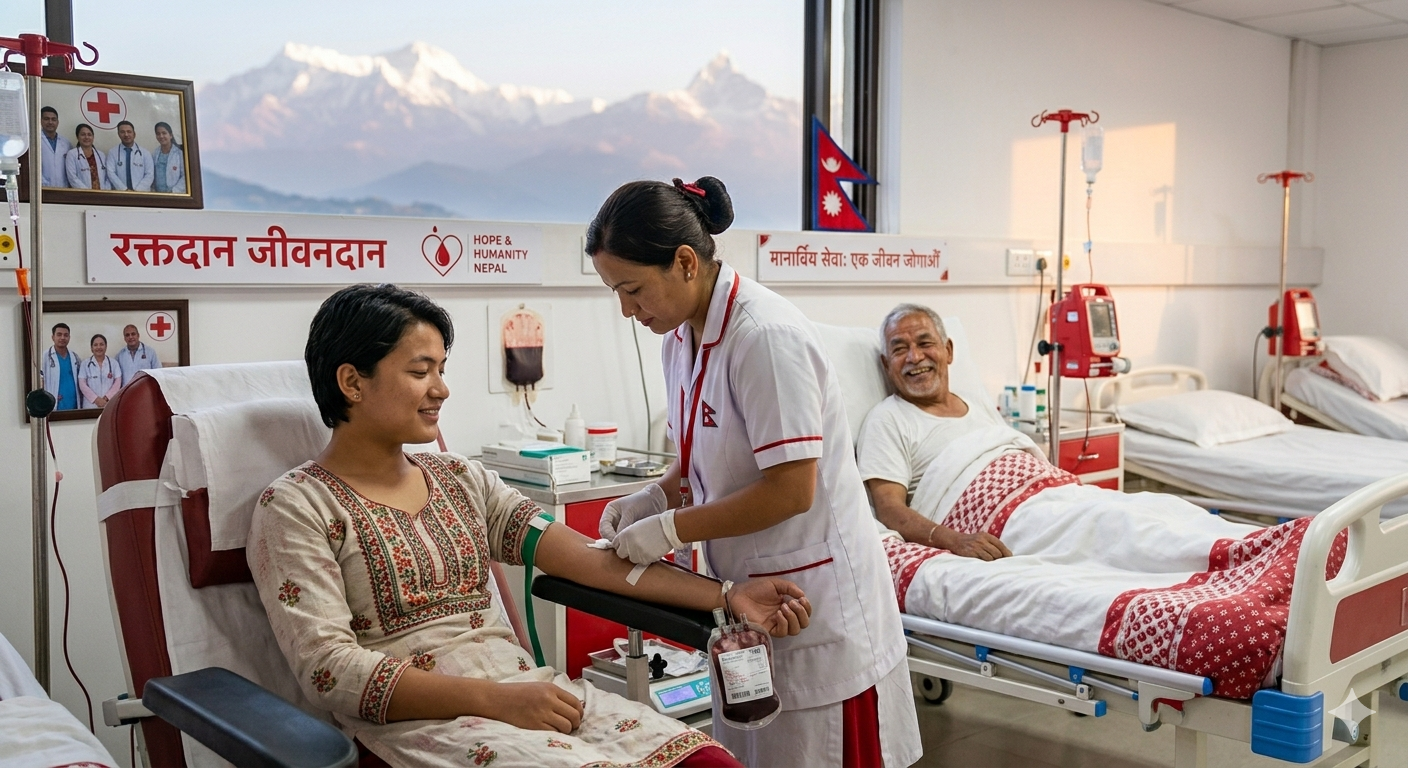
World Blood Donor Day: A Life-Saving Act of Humanity
Every year on June 14, the world celebrates World Blood Donor Day to honor blood donors and encourage more people to donate blood voluntarily.
Most of us have seen urgent social media posts saying, “Blood needed immediately.” Whether it’s for accidents, surgeries, childbirth complications, or serious illnesses, blood plays a vital role in saving lives.
In simple words, donating blood means giving someone a second chance at life.
Why is World Blood Donor Day Celebrated?
World Blood Donor Day was established in 2004 by the World Health Organization (WHO).
The day aims to:
- Appreciate voluntary blood donors
- Raise awareness about safe blood donation
- Reduce blood shortages
- Encourage young people to donate blood regularly
Many countries still face shortages of safe blood supplies. In Nepal too, finding blood during emergencies can sometimes be difficult.
That’s why this day is so important.
Why is Blood Donation Important?
Blood cannot be manufactured in factories.
The only source of blood is human donation.
A single blood donation can help save multiple lives, especially in medical emergencies.
Situations Where Blood is Needed
Blood is commonly required during:
- Accidents and heavy blood loss
- Surgeries and operations
- Pregnancy and childbirth complications
- Cancer treatment
- Blood-related diseases like thalassemia
This is why World Blood Donor Day reminds us of the importance of regular blood donation.
Benefits of Blood Donation
Many people believe donating blood weakens the body, but when done properly, blood donation is safe.
1. You Can Save Lives
Your few minutes of donation can become someone’s hope for survival.
2. Health Screening Opportunity
Before donating blood, basic health checks are performed, which can help you understand your health condition.
3. Encourages Humanity and Social Responsibility
Blood donation strengthens compassion and community support.
Who Can Donate Blood?
Generally, people who meet these conditions can donate:
✔ 18 to 65 years old
✔ Good physical health
✔ Healthy body weight
✔ No major infections or medical issues
However, consulting health professionals before donating is always recommended.
Blood Donation in Nepal
In Nepal, many youths actively participate in blood donation campaigns.
During emergencies, people often seek help through social media groups and volunteer communities.
Organizations like the Nepal Red Cross Society regularly organize blood donation programs and awareness campaigns.
Trusted resources for information:
- World Health Organization (WHO) – Blood Safety
- Nepal Red Cross Society
- World Blood Donor Day Information
Common Myths About Blood Donation
Myth: Blood donation makes you weak
Fact: Safe and properly managed blood donation does not weaken the body.
Myth: Once you donate blood, you must keep donating regularly
Fact: Blood donation is completely voluntary.
Myth: Blood donation is painful
Fact: Only a small needle prick is involved.
FAQs (Frequently Asked Questions)
1. When is World Blood Donor Day celebrated?
It is celebrated every year on June 14.
2. What is the minimum age for blood donation?
Generally, people aged 18 years and above can donate blood.
3. Is blood donation safe?
Yes, blood donation is considered safe when done under proper medical supervision.
Conclusion
World Blood Donor Day is more than just an awareness event — it is a celebration of humanity.
A small act of kindness from you can become someone’s biggest hope in life.
If you are healthy and eligible, consider donating blood. Because donating blood truly means saving lives.
Have you ever donated blood? Share your experience in the comments and don’t forget to share this article with your friends.


