


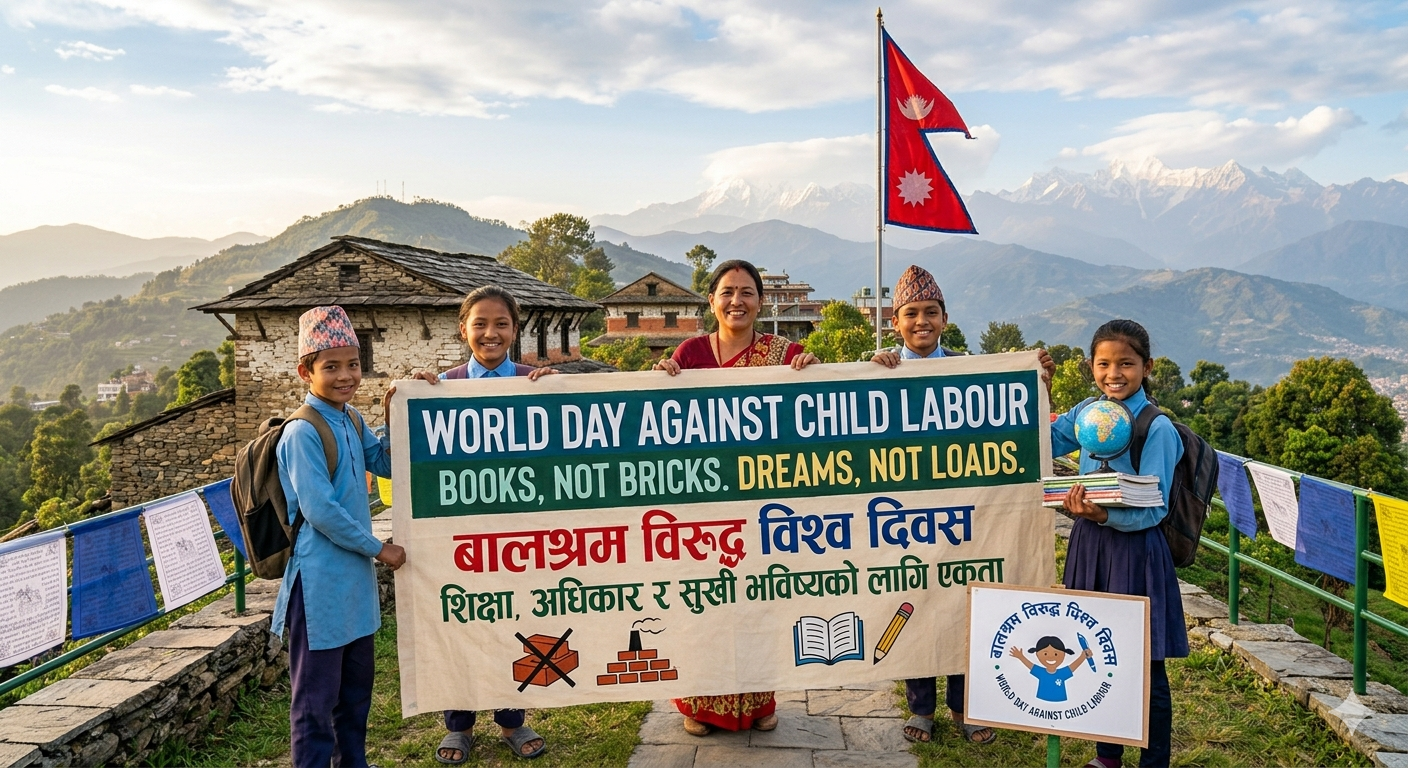
World Day Against Child Labour: Why Every Child Deserves a Better Future
Every child deserves a childhood filled with learning, dreams, and happiness — not hard labor.
Yet, millions of children around the world still work in dangerous conditions instead of attending school. To raise awareness and encourage action, the World Day Against Child Labour is observed every year on June 12.
This day reminds us that childhood should never be stolen by poverty, exploitation, or unsafe work.
What is World Day Against Child Labour?
The World Day Against Child Labour was launched in 2002 by the International Labour Organization (ILO).
The goal is simple but powerful: to eliminate child labour and protect children’s rights.
The day focuses on children who are forced to work in harmful environments that affect their:
- Education
- Health
- Safety
- Emotional well-being
- Future opportunities
Millions of children globally are involved in work that prevents them from enjoying a proper childhood.
Why is World Day Against Child Labour Important?
Child labour is more than just a social issue. It impacts a country’s future.
1. Children Lose Access to Education
When children work at an early age, they often miss school.
Without education, breaking the cycle of poverty becomes difficult.
2. Dangerous Working Conditions
Many child laborers work in unsafe places such as factories, farms, construction sites, or domestic labor.
These environments can affect both physical and mental health.
3. Poverty Continues Across Generations
Families struggling financially may depend on child income.
But without education, children often grow into adults facing the same challenges.
That is why ending child labour benefits both individuals and society.
Main Causes of Child Labour
Understanding the causes helps us find solutions.
Poverty
Low-income families may rely on children to earn money.
Lack of Education
In some places, schools are difficult to access or too expensive.
Social Inequality
Discrimination and lack of opportunities increase child labour risks.
Natural Disasters and Conflict
Economic hardship after disasters can force children into work.
Child Labour Situation in Nepal
In Nepal, child labour still exists in sectors such as agriculture, domestic work, transportation, and small industries.
While progress has been made, awareness and community action remain important.
Parents, schools, local governments, and organizations all play a role in protecting children.
How Can We Help Stop Child Labour?
Even small actions matter.
Support Education
Encourage school attendance and educational opportunities.
Raise Awareness
Talk about child rights in your community or online.
Buy Responsibly
Support brands and businesses that follow ethical labor practices.
Support Child Welfare Organizations
Organizations working for child protection can make a real difference.
Trusted resources include:
- International Labour Organization (ILO)
- UNICEF Child Protection
- International Programme on the Elimination of Child Labour
Why This Day Matters More Than Ever
In today’s world, children should be learning digital skills, building confidence, and preparing for brighter futures.
No child should be forced to choose survival over education.
The World Day Against Child Labour reminds us that ending child exploitation requires collective effort — from governments, communities, schools, and families.
Frequently Asked Questions (FAQs)
1. When is World Day Against Child Labour celebrated?
It is observed every year on June 12.
2. Why is child labour harmful?
Child labour affects children’s education, health, safety, and future opportunities.
3. What can ordinary people do to help?
People can support education, raise awareness, report exploitation, and support child welfare programs.
Conclusion
The World Day Against Child Labour is not just about awareness — it is about action.
Every child deserves education, safety, and the freedom to dream.
Let’s work together to build a future where children carry books, not burdens.
What are your thoughts on child labour? Share your opinion in the comments and help spread awareness by sharing this article.


