


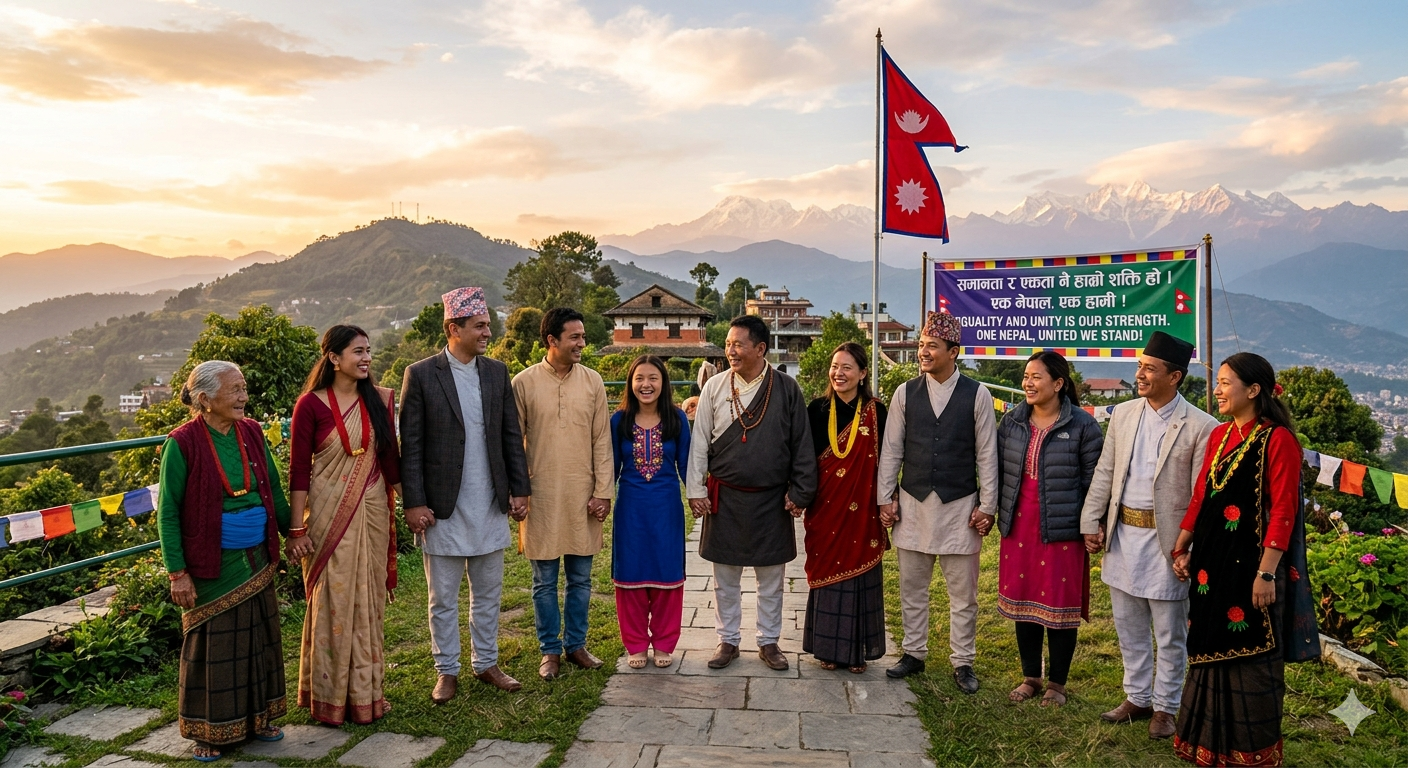
National Day for the Elimination of Racial Discrimination and Untouchability: A Step Towards Equality
Nepal is a beautiful country rich in culture, traditions, and diversity. People from different communities, languages, and religions live together. However, despite social progress, issues like racial discrimination and untouchability still exist in some parts of society.
To spread awareness and promote equality, Nepal observes the National Day for the Elimination of Racial Discrimination and Untouchability every year. This important day reminds us that every human being deserves equal respect, dignity, and opportunity.
But why is this day still so important today? Let’s explore.
What is the National Day for the Elimination of Racial Discrimination and Untouchability?
The National Day for the Elimination of Racial Discrimination and Untouchability is observed in Nepal to mark the historic declaration made on Jestha 21, 2063 B.S. (June 4, 2006), when untouchability was officially abolished by the government.
This day promotes a simple but powerful message:
“No person should be treated differently based on caste, race, or background.”
Discrimination based on birth or social identity violates basic human rights and harms social unity.
Why is This Day Important?
Even though laws exist against discrimination, social challenges still remain.
This day plays an important role in:
1. Promoting Equality
The day encourages people to treat everyone with fairness and respect regardless of caste or ethnicity.
2. Raising Awareness Among Youth
Schools, colleges, and awareness campaigns help younger generations understand why discrimination is harmful.
3. Strengthening Social Harmony
A society free from discrimination becomes more united, peaceful, and inclusive.
Forms of Racial Discrimination and Untouchability Still Seen Today
Although Nepal has made progress, some people still face unfair treatment such as:
- Social exclusion in communities
- Discrimination during marriage
- Unequal treatment in workplaces or education
- Restrictions in religious or cultural participation
These practices create emotional pain and weaken social trust.
Nepal’s Legal Action Against Discrimination
Nepal’s constitution guarantees equality and strictly prohibits discrimination and untouchability.
The government also introduced the Caste-based Discrimination and Untouchability (Offence and Punishment) Act, 2011, which makes caste discrimination a punishable offense.
For trusted information, you can visit:
How Can We Help End Discrimination?
Ending racial discrimination and untouchability is not only the government’s responsibility — everyone has a role to play.
Here are simple but meaningful actions:
- Treat everyone equally and respectfully
- Teach children about equality and kindness
- Speak out against discrimination
- Encourage social inclusion in communities
Small changes in attitude can create a big social impact.
The Role of Youth in Social Change
Young people can become powerful voices for equality.
Through education, social media, and community awareness, youth can challenge harmful traditions and promote respect for diversity.
Real social change begins when equality becomes part of everyday behavior, not just words.
Frequently Asked Questions (FAQs)
1. When is the National Day for the Elimination of Racial Discrimination and Untouchability observed?
It is observed every year on Jestha 21 (June 4 in most years) in Nepal.
2. Why is this day important?
The day helps raise awareness about equality, human dignity, and ending caste-based discrimination.
3. Is untouchability illegal in Nepal?
Yes. Under Nepali law, untouchability and caste-based discrimination are punishable offenses.
Conclusion
The National Day for the Elimination of Racial Discrimination and Untouchability is more than just a symbolic observance — it is a reminder that every individual deserves equal treatment and dignity.
Building a discrimination-free Nepal starts with small actions in everyday life. Respect, awareness, and kindness can help create a more inclusive future for everyone.
What do you think Nepal can do to completely end discrimination? Share your thoughts in the comments and help spread awareness by sharing this article.


